
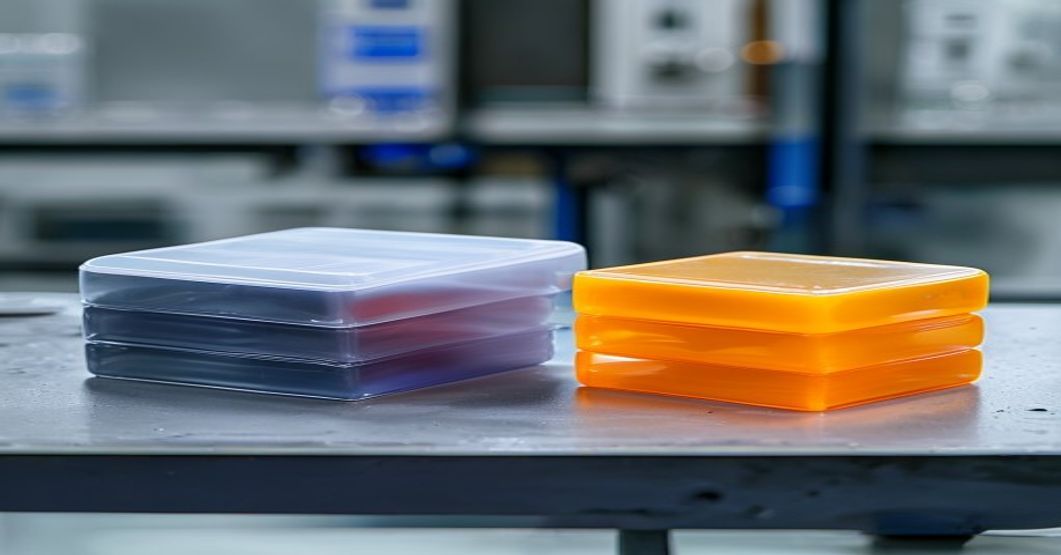
When selecting nylon materials for engineering applications, PA6 and PA66 are the two most common choices. While both belong to the polyamide family, their different molecular structures lead to distinct property profiles that can significantly impact your product’s performance.
Molecular Structure: The Key Difference
The fundamental difference between PA6 and PA66 lies in their chemical structure. PA6 (Polycaprolactam) is made from a single monomer—caprolactam—with six carbon atoms per repeat unit. PA66 (Polyhexamethylene adipamide) is made from two monomers—hexamethylene diamine and adipic acid—each contributing six carbons to the repeat unit.
This structural difference affects crystallinity, melting point, and ultimately the material’s mechanical and thermal properties.
Vergelijking van mechanische eigenschappen
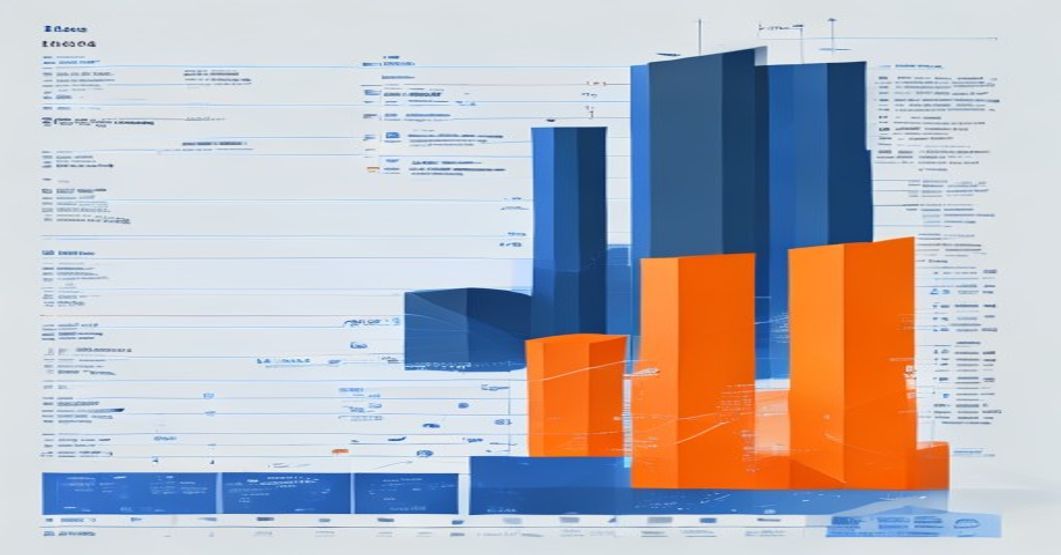
| Eigendom | PA6 | PA66 |
|---|---|---|
| Treksterkte (MPa) | 70-85 | 80-95 |
| Rek bij breuk (%) | 50-150 | 30-60 |
| Flexural Modulus (GPa) | 2.5-3.0 | 2.8-3.3 |
| Notched Izod Impact (kJ/m²) | 5-15 | 4-8 |
Thermische eigenschappen
PA66 has a higher melting point (approximately 260°C vs 220°C for PA6) and better heat deflection temperature.
Temperatuur voor continu gebruik
- PA6: 80-100°C
- PA66: 100-120°C
Vochtabsorptie
Both PA6 and PA66 are hygroscopic materials, meaning they absorb moisture from the environment. However, PA6 typically absorbs moisture faster due to its lower crystallinity.

Processing Differences
PA6 has a wider processing window and lower processing temperature requirements, making it easier to mold. PA66 requires more precise temperature control and higher processing temperatures.
Processing Parameters
- PA6 Melt Temperature: 230-280°C
- PA66 Melt Temperature: 270-300°C
- PA6 Mold Temperature: 40-80 °C
- PA66 Mold Temperature: 60-100°C
Cost Considerations

PA6 is typically 10-20% less expensive than PA66 on a per-kilogram basis.
Application Recommendations
Choose PA6 When:
- Slagvastheid is van cruciaal belang
- De kostengevoeligheid is hoog
- Processability and cycle time matter
- Parts will not be exposed to high temperatures
Choose PA66 When:
- High temperature resistance is required
- Stiffness and strength are priorities
- Dimensional stability under load matters
- Parts will be used in demanding environments
Onze mogelijkheden
Met meer dan 300 CNC machines, produceren we meer dan 10.000 stuks per dag met toleranties zo nauw als ±0,005mm. Wij accepteren MOQ vanaf 1 stuk, met levertijden variërend van 24 uur tot 15 dagen. Ontvang binnen 24 uur een offerte.
FAQ
How do you know whether PA6 vs PA66: Which Nylon Grade Is Right for Your Application? fits a part?
PA6 vs PA66: Which Nylon Grade Is Right for Your Application? fits a part when its load capacity, temperature range, moisture exposure, wear behavior, and processing method match the real service conditions.
What properties should be checked for PA6 vs PA66: Which Nylon Grade Is Right for Your Application??
Controleer de sterkte, stijfheid, slagvastheid, hittebestendigheid, vochtopname, maatvastheid, wrijving, slijtage en chemische compatibiliteit.
What is the biggest selection risk for PA6 vs PA66: Which Nylon Grade Is Right for Your Application??
Het grootste risico is dat men zich baseert op een waarde uit een datasheet zonder rekening te houden met de daadwerkelijke omgeving, de verwerkingsmethode, de geometrie van het onderdeel en het gebruik op lange termijn.
When should PA6 vs PA66: Which Nylon Grade Is Right for Your Application? be tested before production?
Het wordt aanbevolen om het onderdeel te testen wanneer het wordt blootgesteld aan belasting, hitte, chemicaliën, vocht, strenge toleranties, wettelijke voorschriften of een nieuwe bedrijfsomgeving.

