

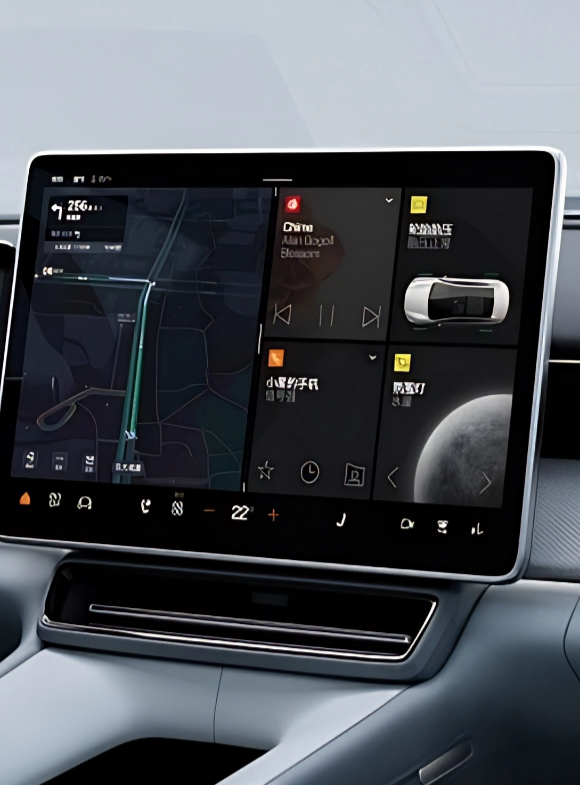
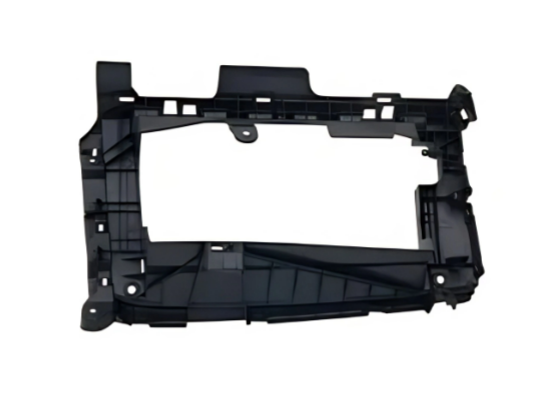
1. Scherm weergeven
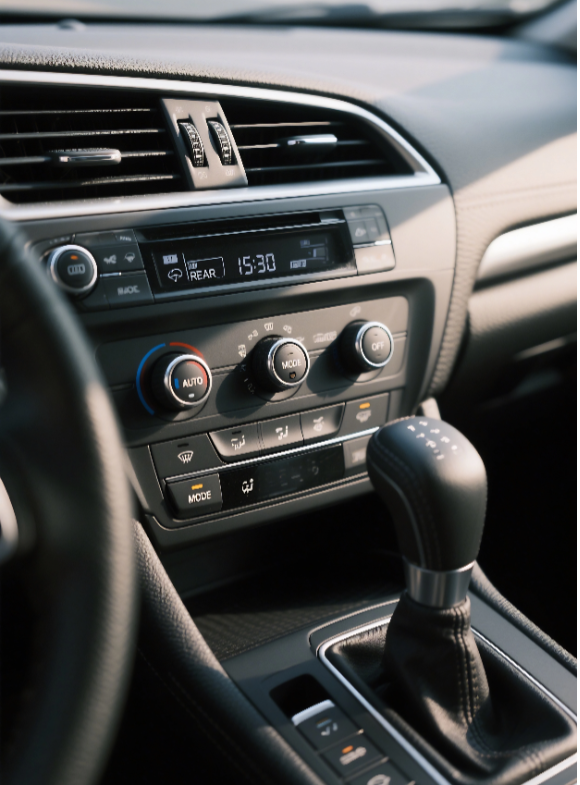
2. Bedieningsknoppen
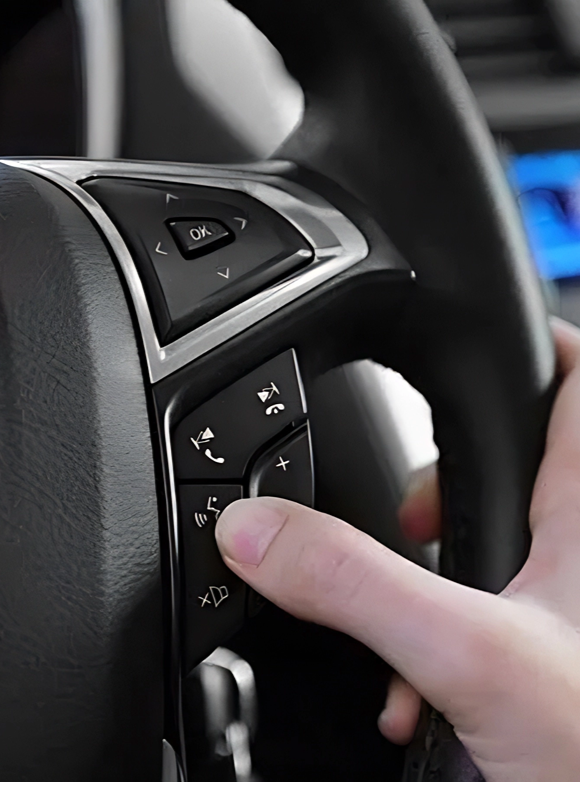
3. Knoppen op het stuur
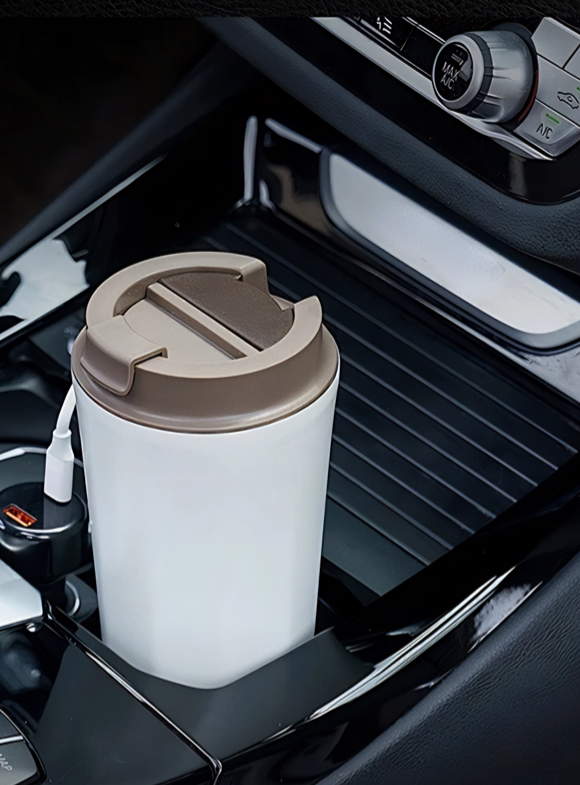
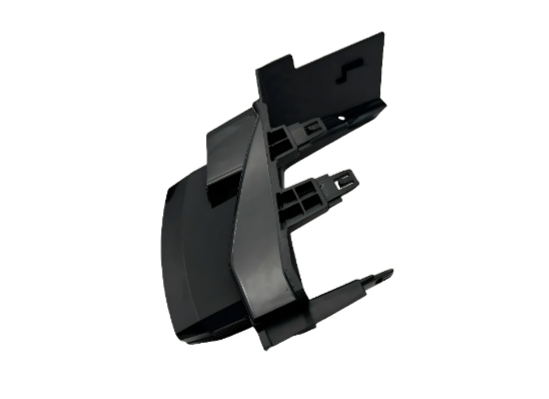
4. Opslagrek
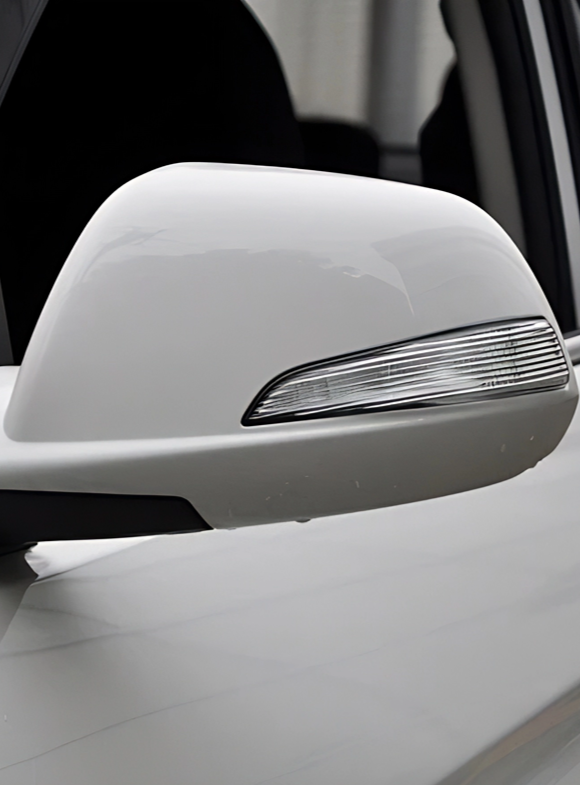
5. Achteruitkijkspiegel

6. Telefoonhouder
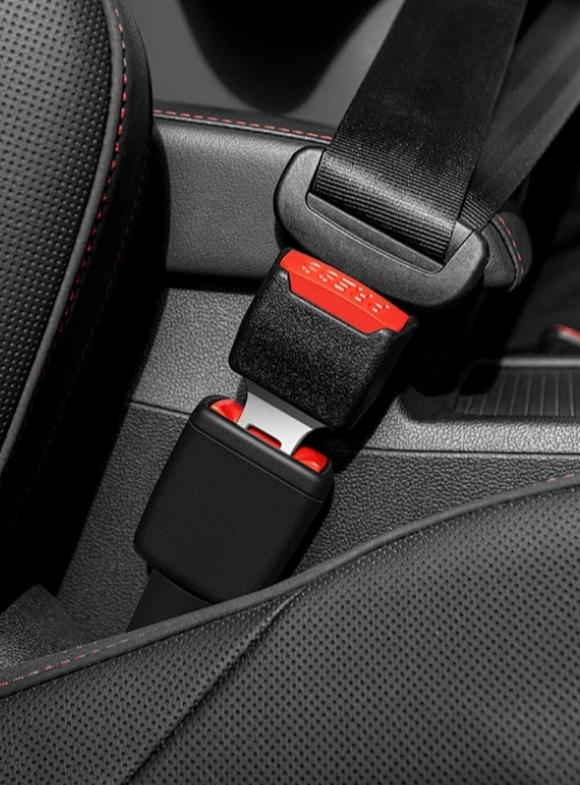
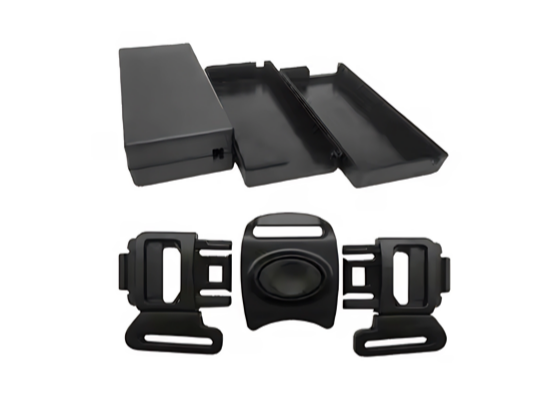
7. Veiligheidsgesp

8.Stoel - gemonteerde tafel
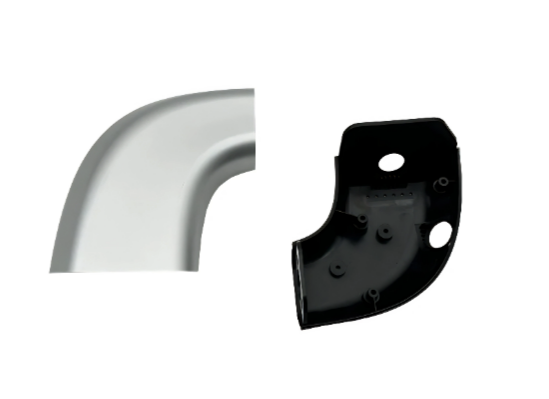




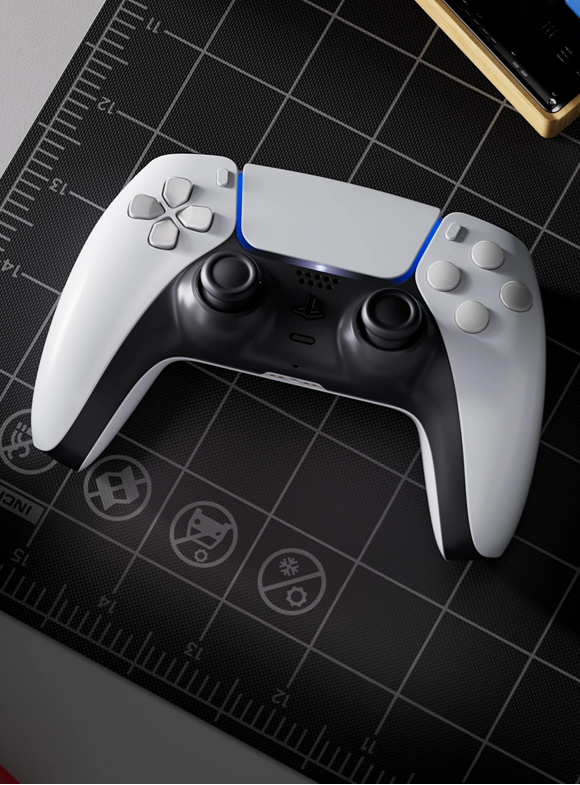
1. Schil van de spelcontroller

2. Bluetooth-oortelefoonomhulsel
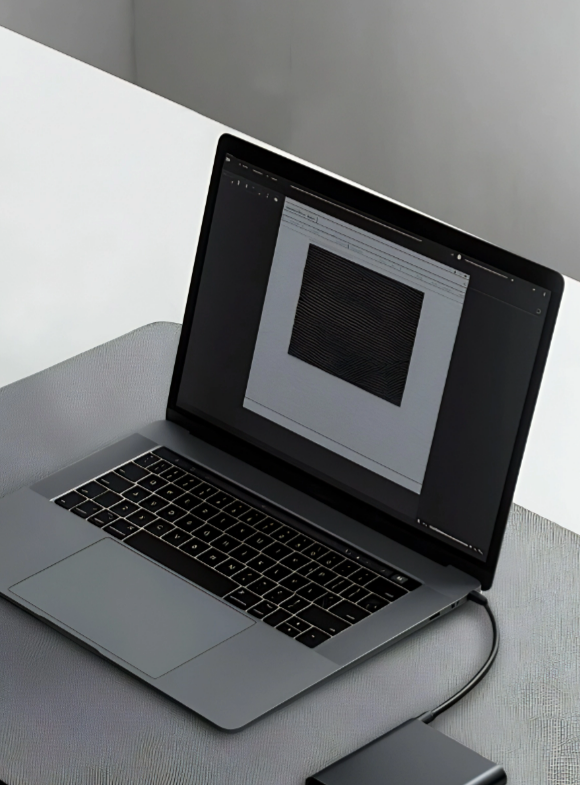
3. Computerschil
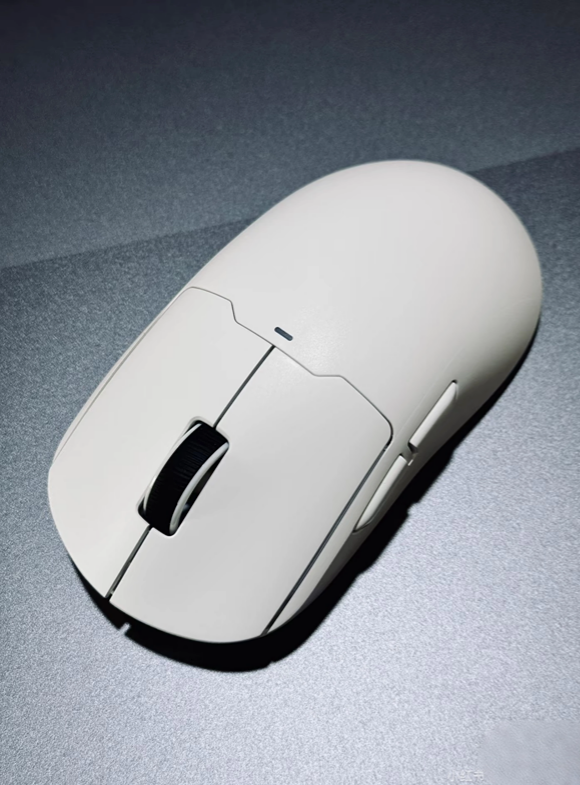
4. Muis

5. Toetsenbord

6. Bluetooth-luidsprekershell
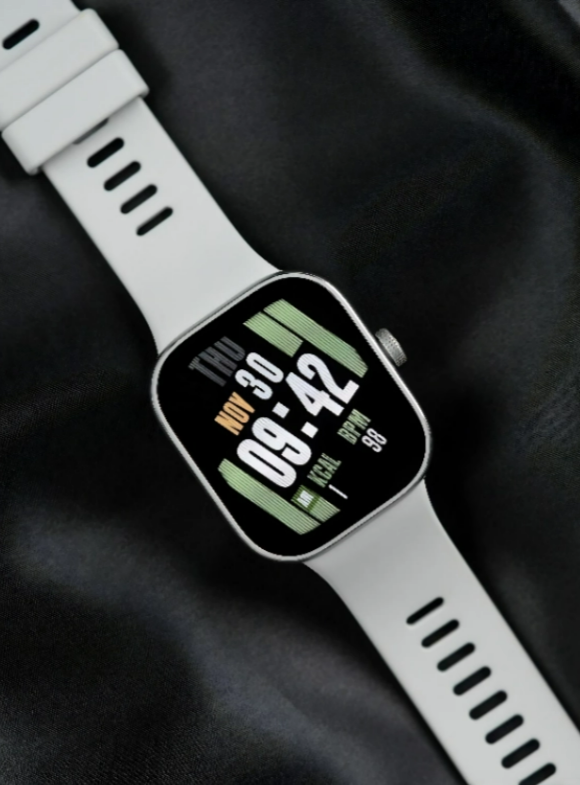
7. Horloge schelp

8. Cameraschaal, enz.

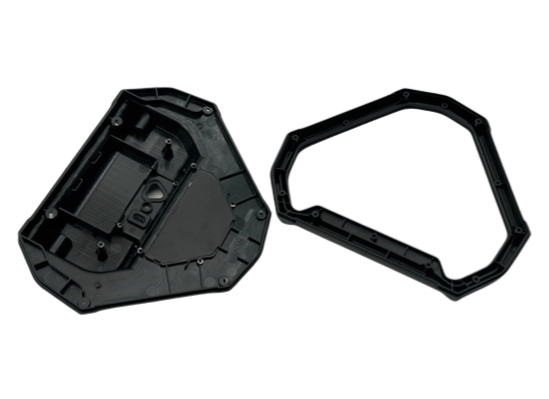
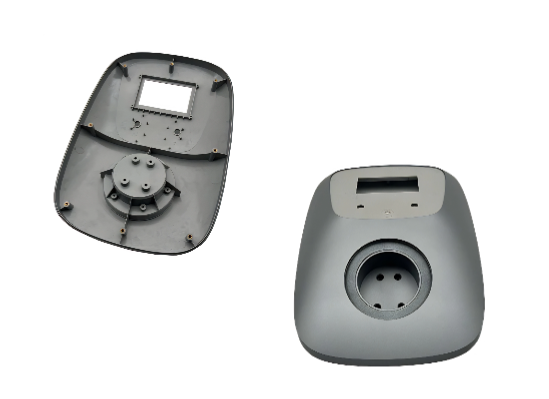
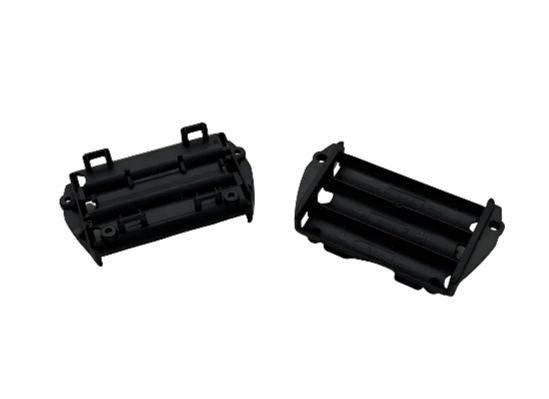
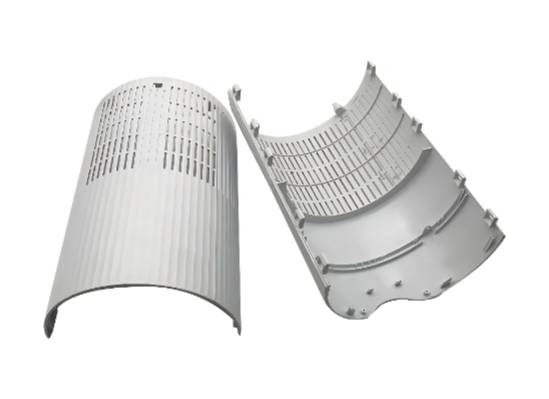

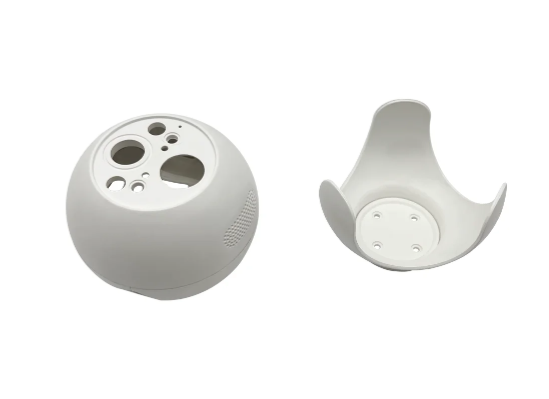
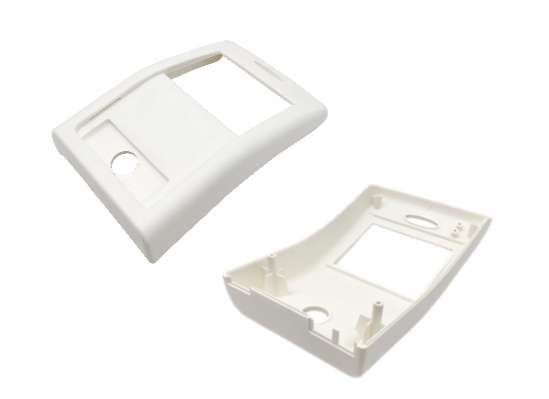
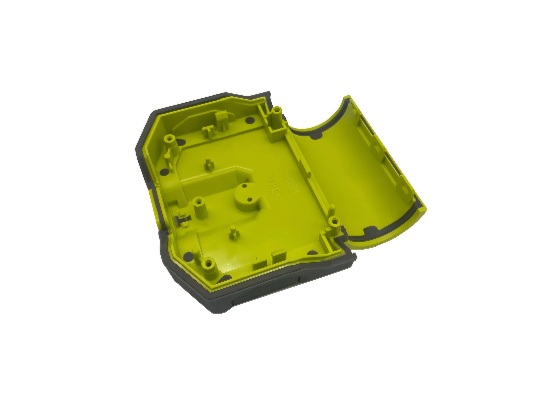
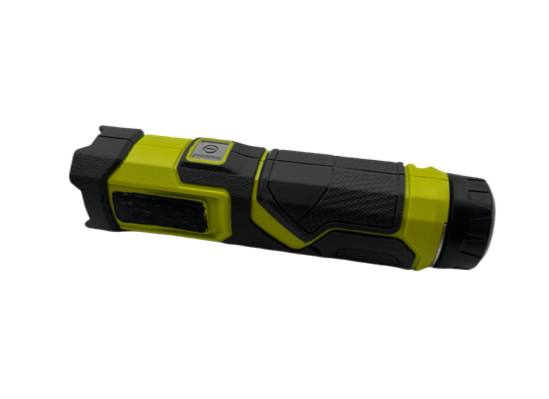
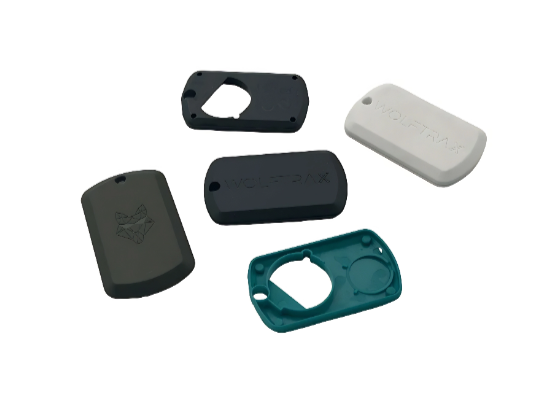
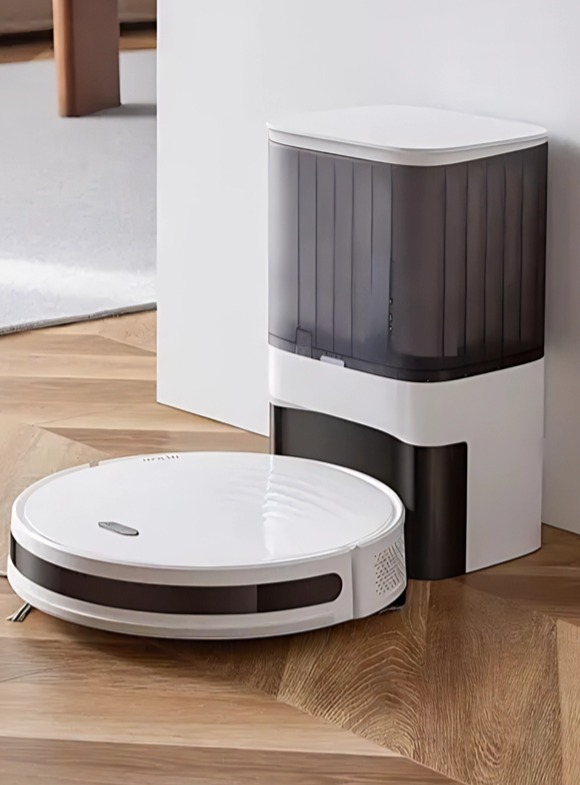
1. Automatische veegmachine
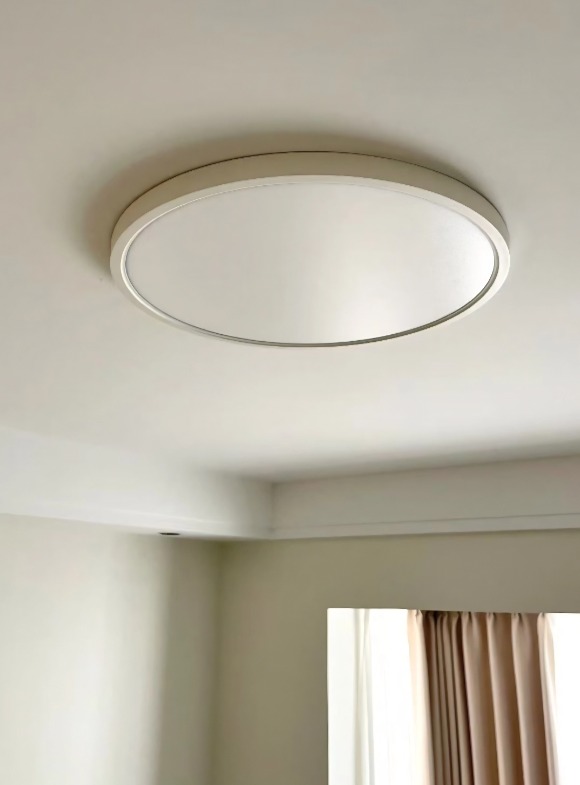
2. Verlichtingsarmaturen
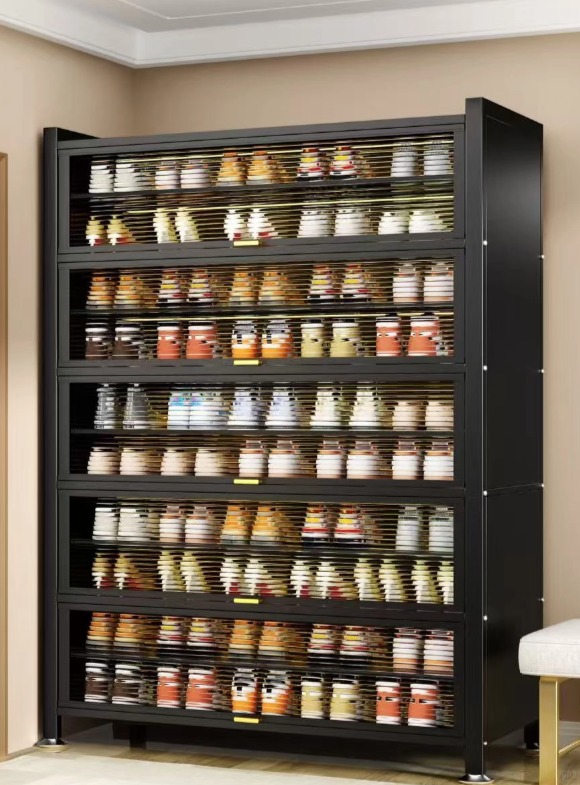
3. Schoenenrek
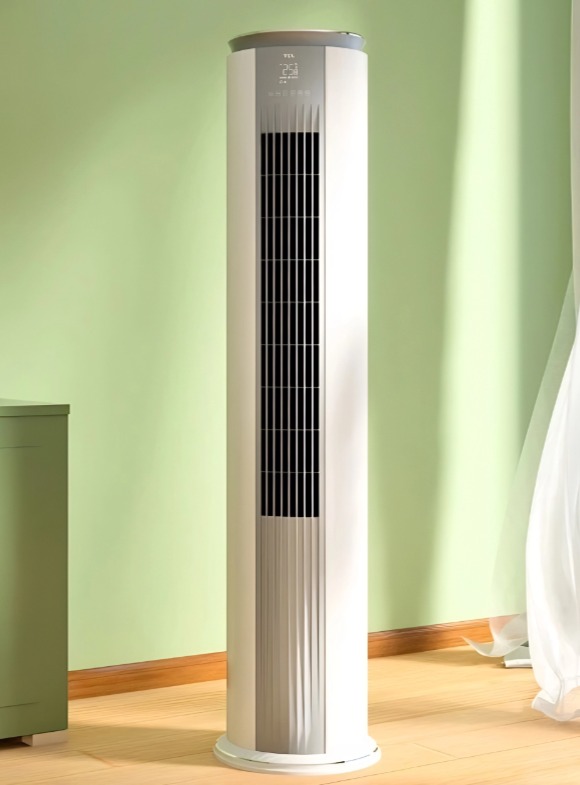
4. Airconditioner
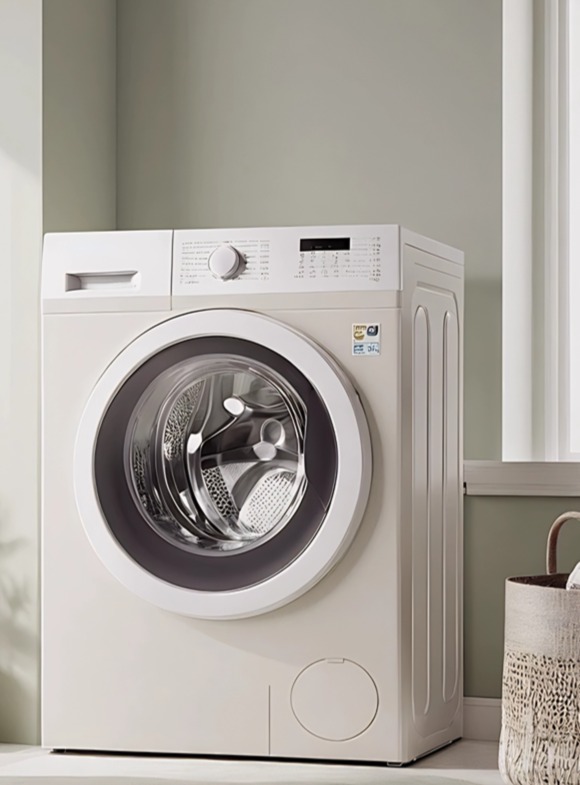
5. Wasmachine
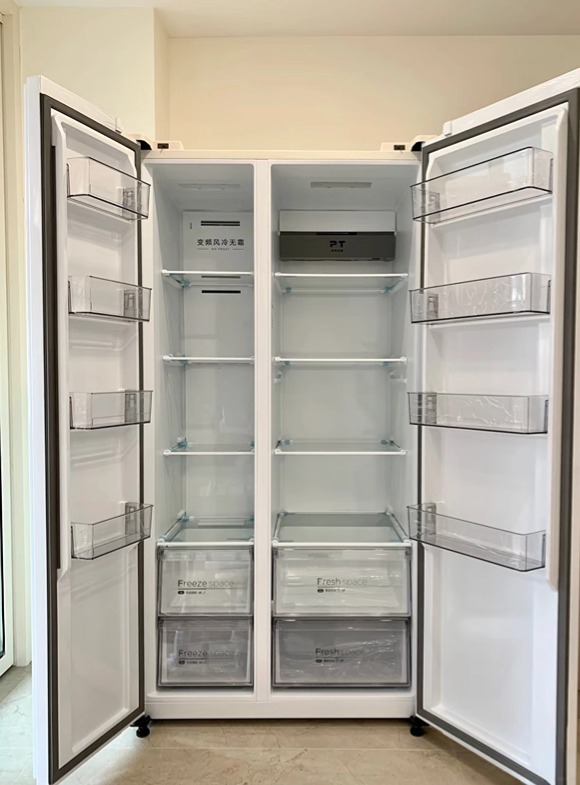
6. Koelkast
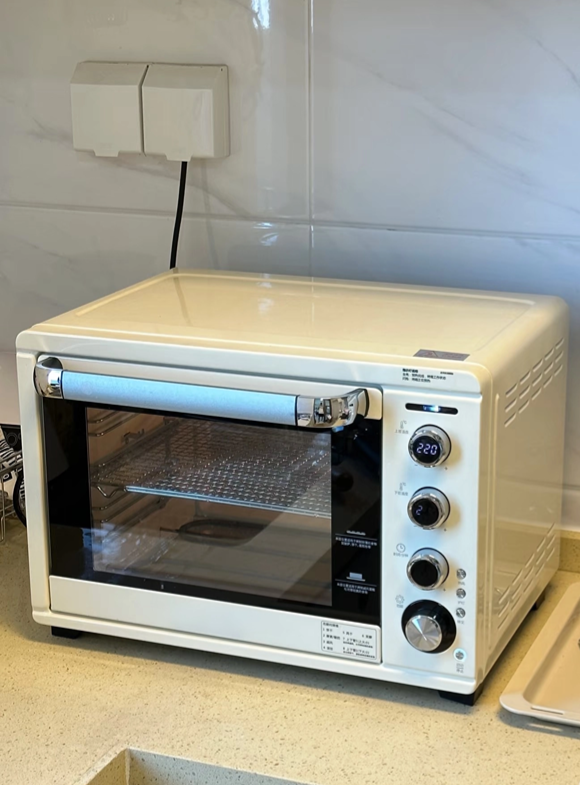
7. Elektrische oven
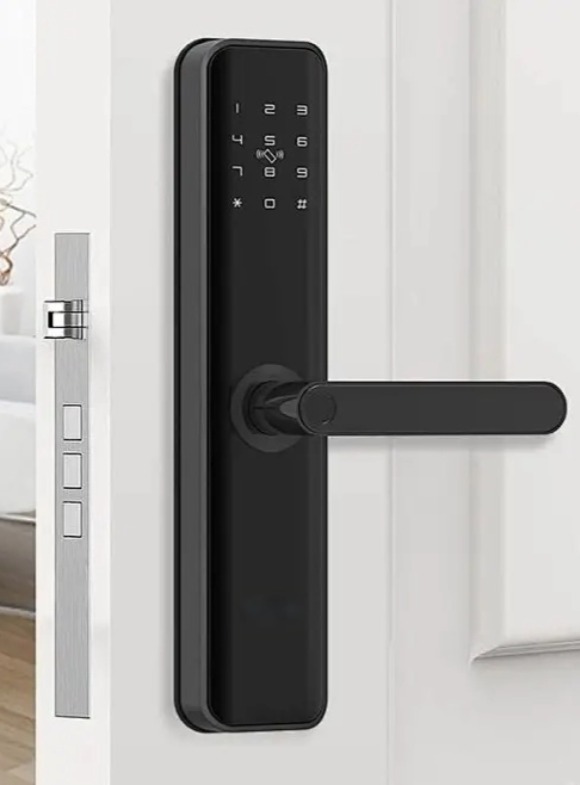
8. Elektronisch deurslot
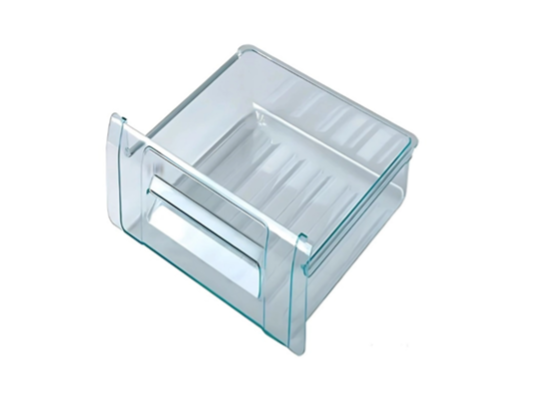


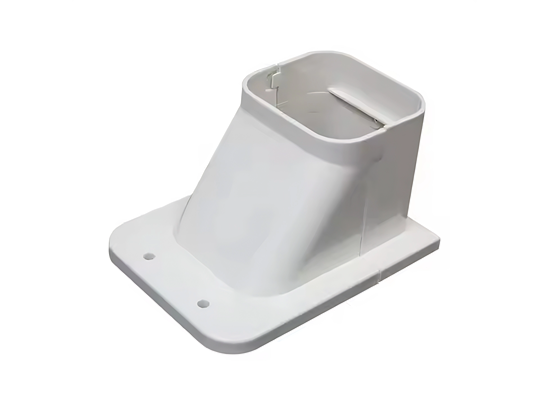


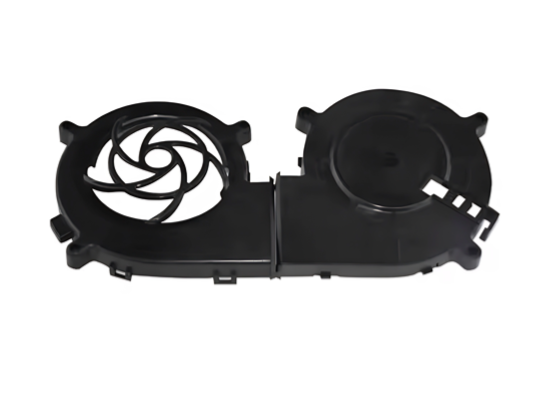


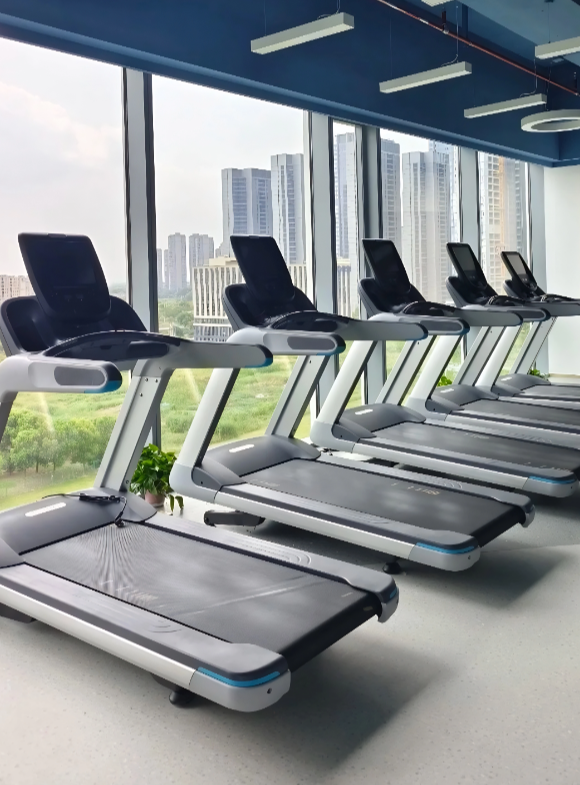
1. Loopband

2. Binnenfiets
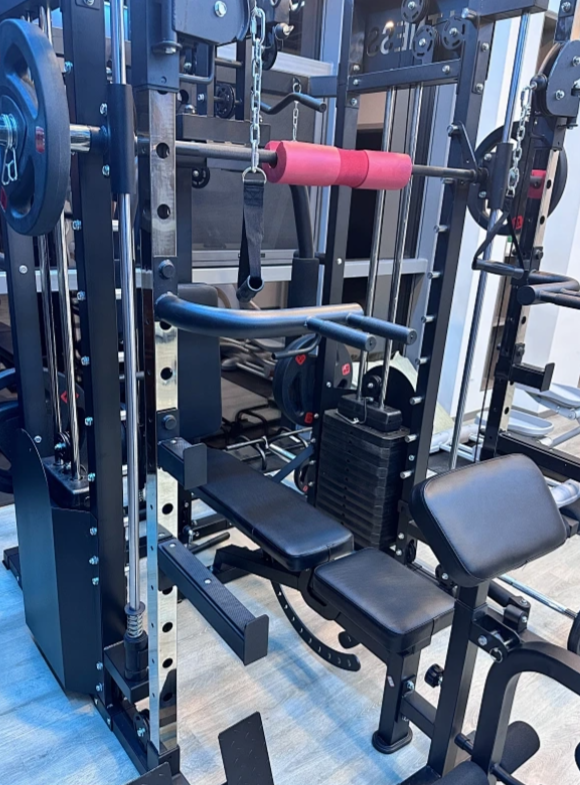
3. Multifunctionele trainer

4.Smart Draadloos Springtouw
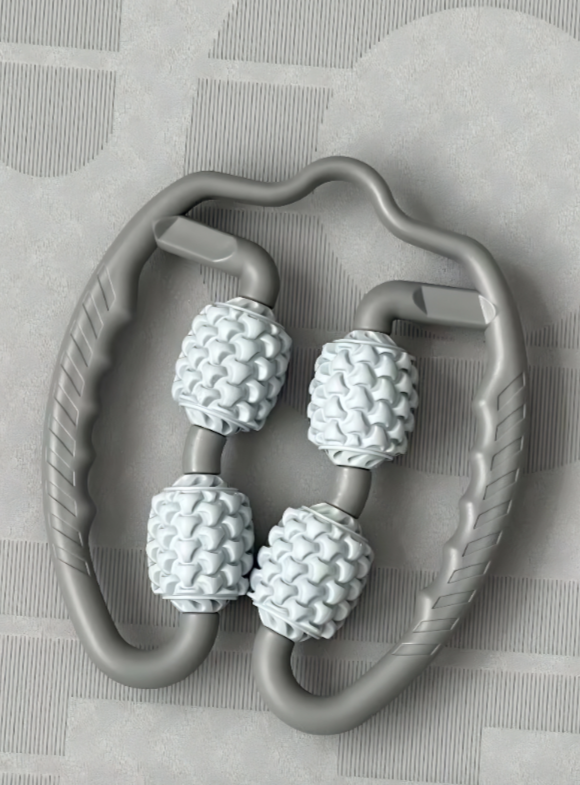
5.Circular been - het Vastklemmen Massager
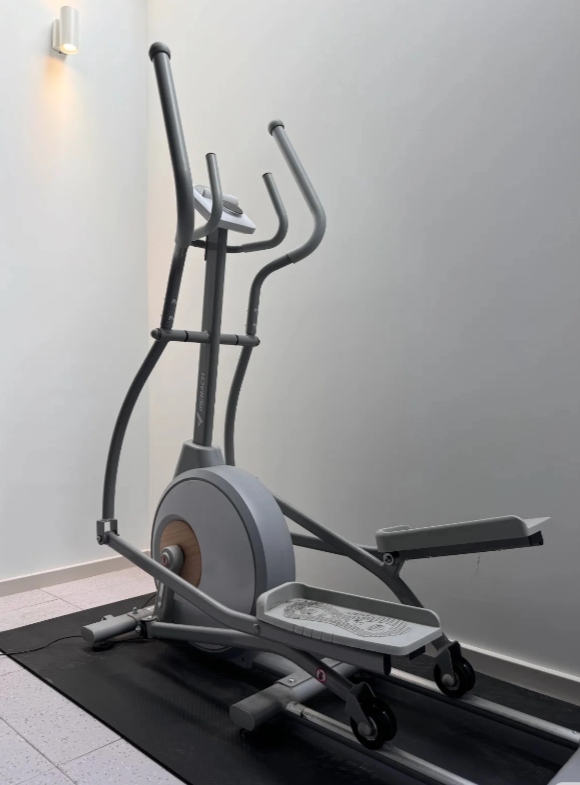
6.Elliptische machine
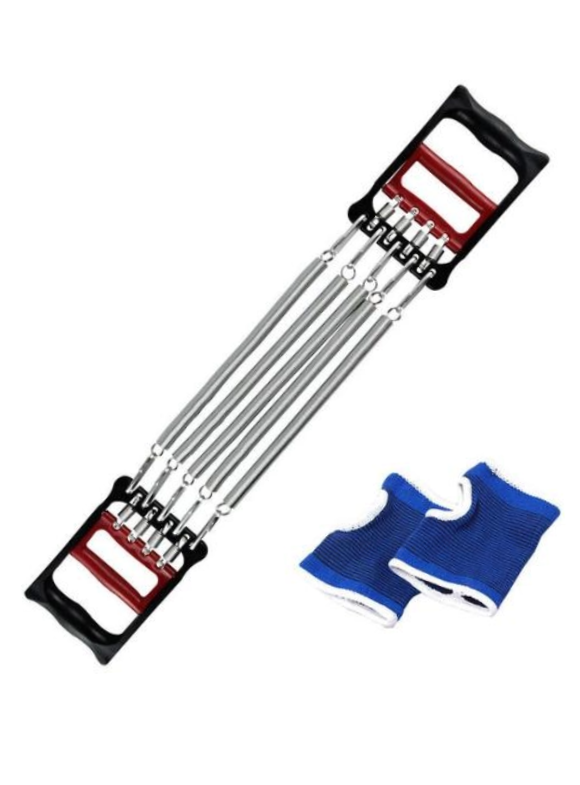
7. Trainingsmolen met veermechanisme
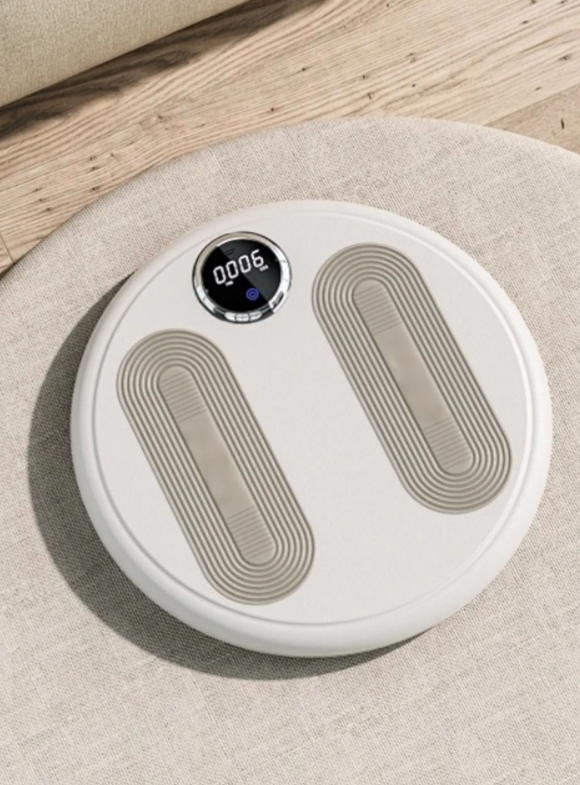
8. Taille Draaimachine


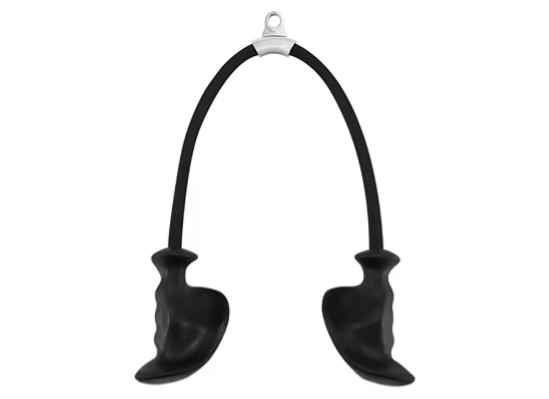
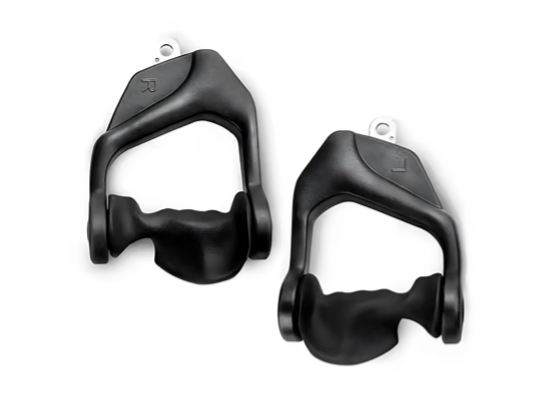

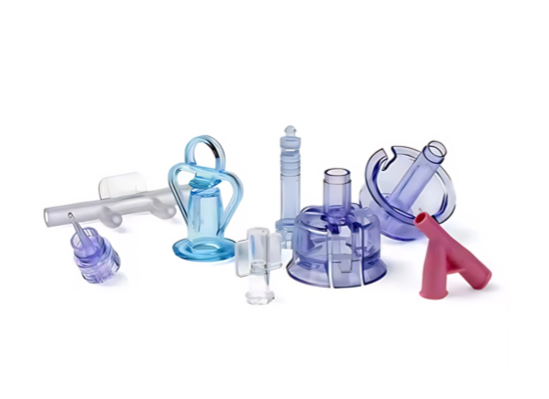
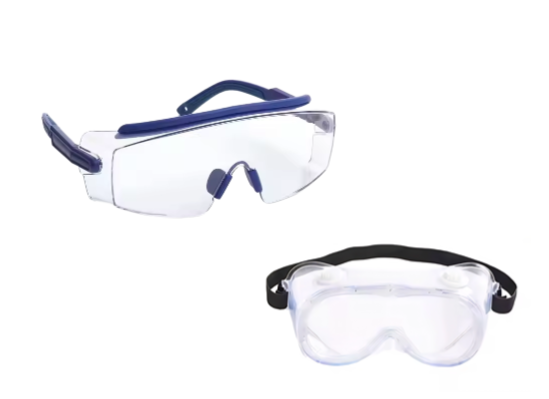
1. Laboratoriummateriaal
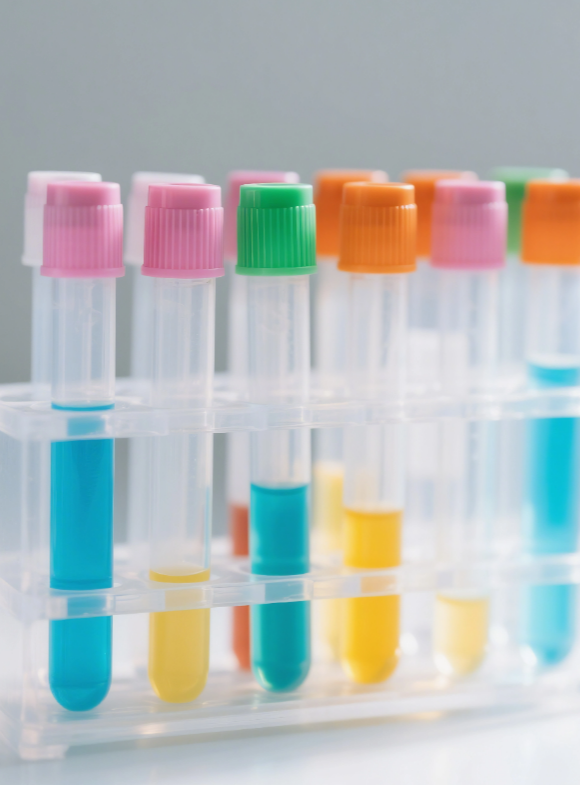
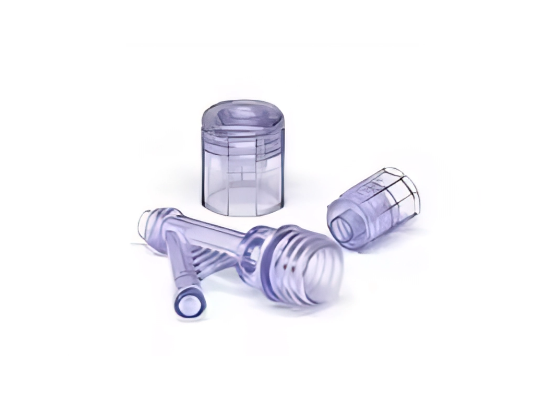
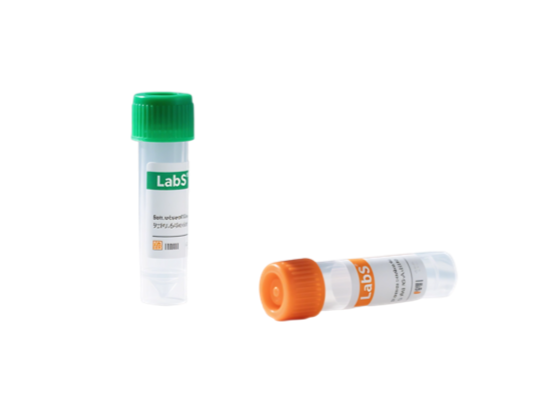
2. Diagnostische verbruiksartikelen
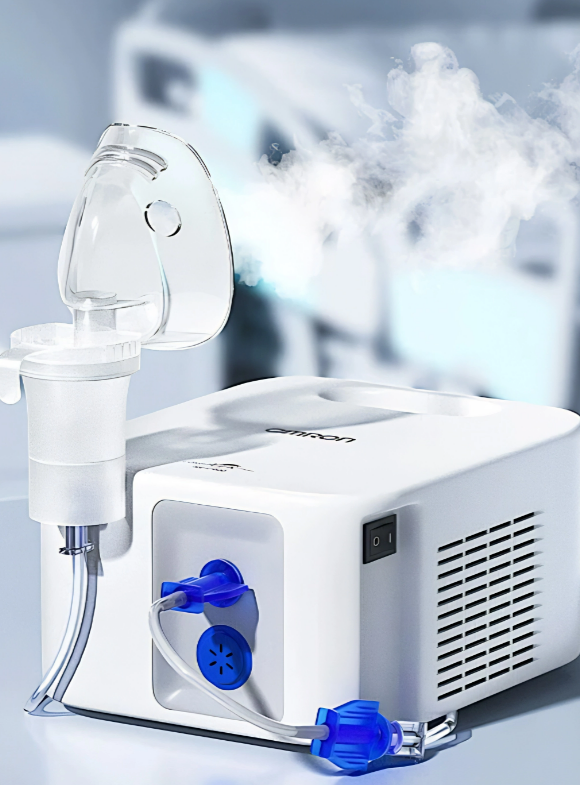
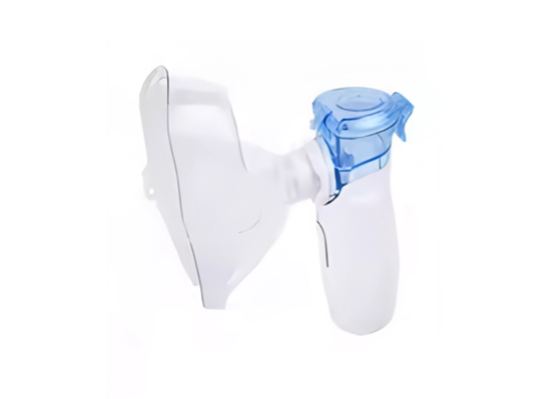
3. Verstuiver
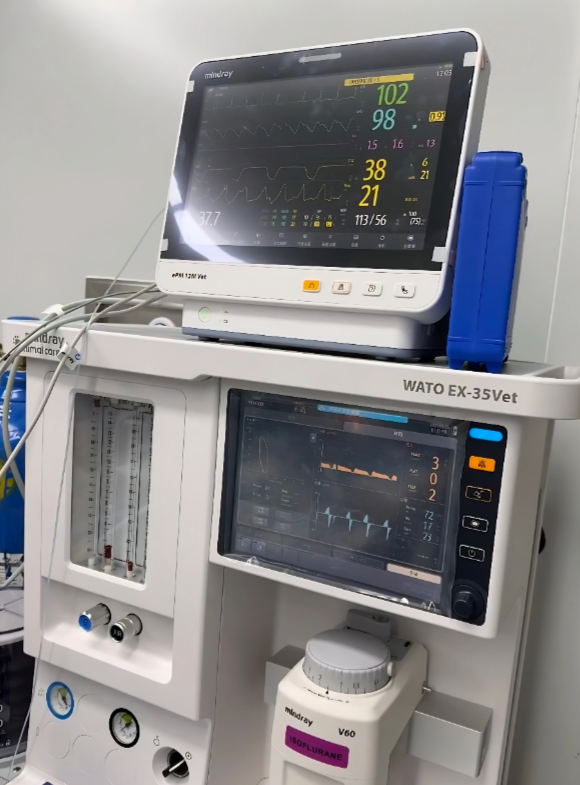
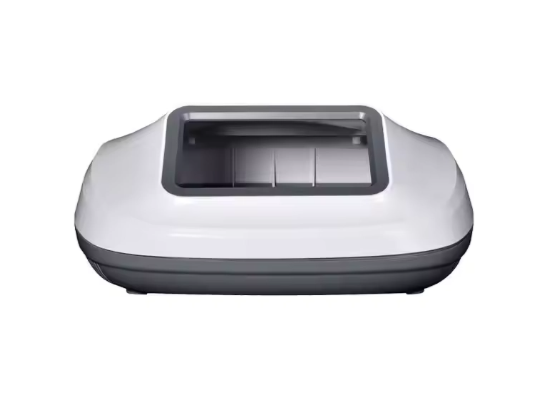
4. Detectieapparatuur
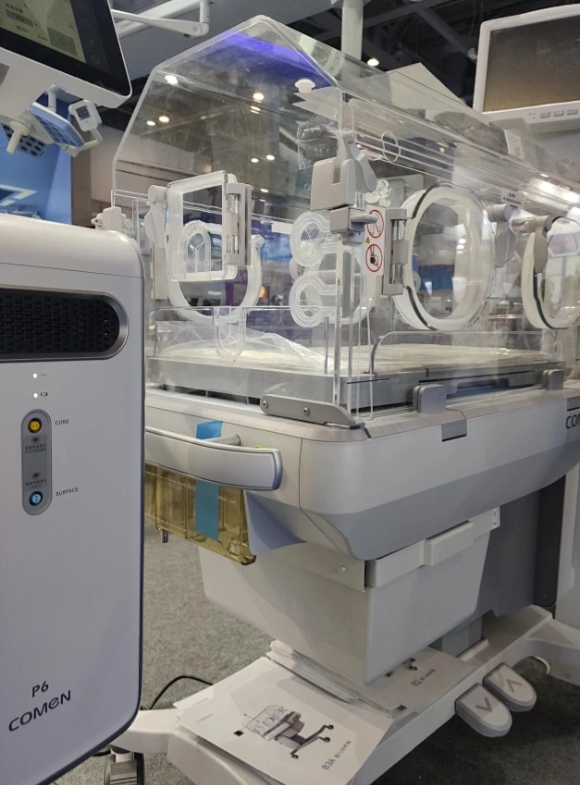
5. Neonatale zorg

6. Bloeddrukmeter
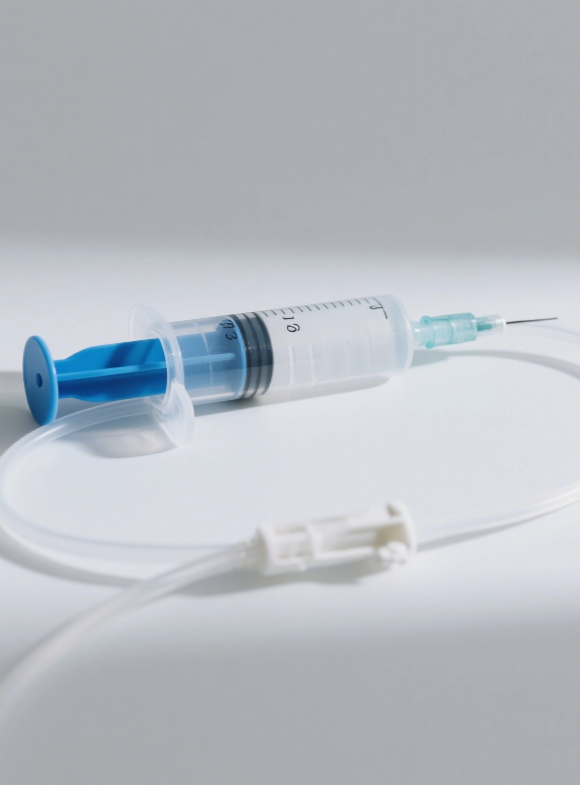
7. Apparatuur voor medicijntoediening
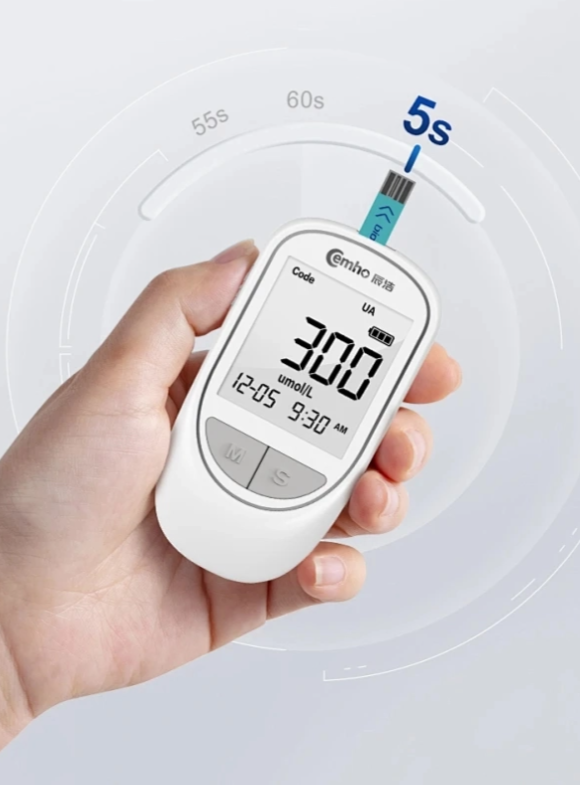
8. Bloedglucosemeter





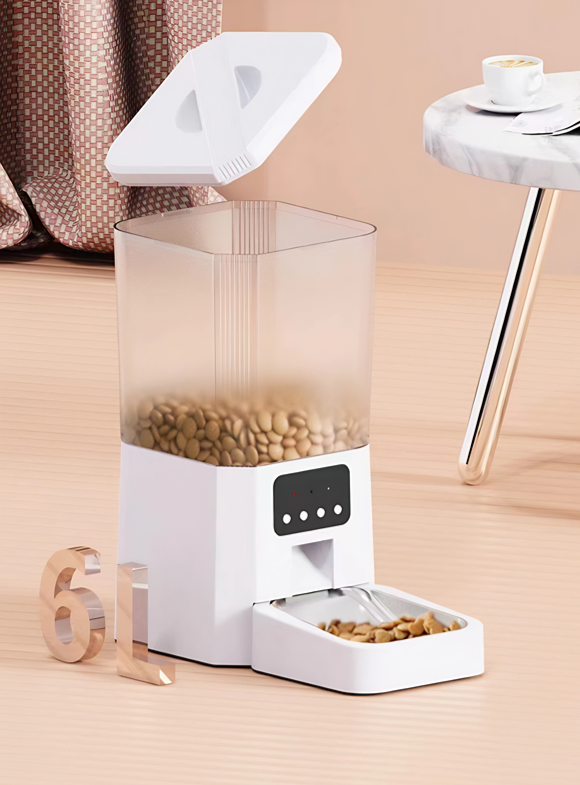
1.Automatisch voederhuis

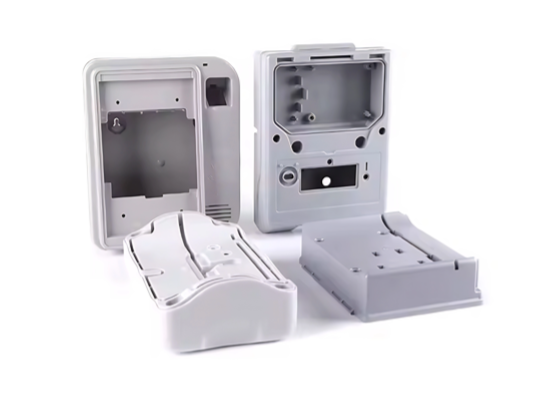
2.Feeder Shell
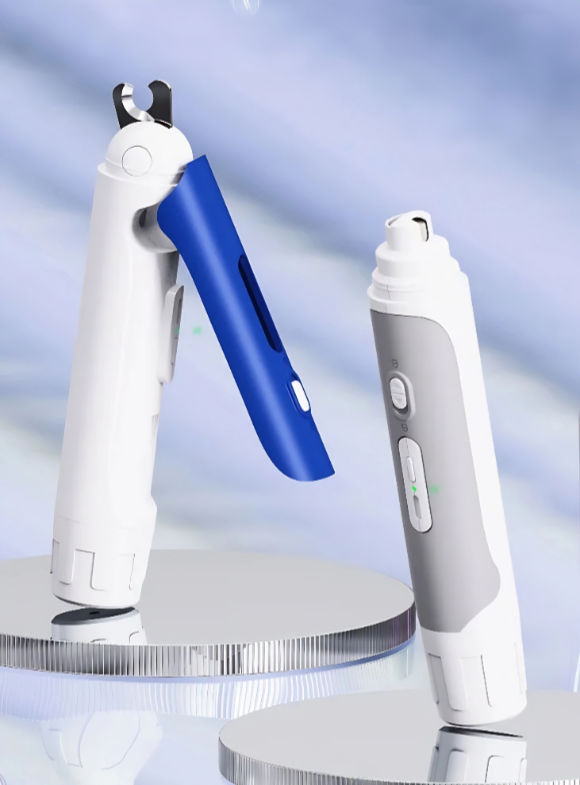
3. Klauwmolen Shell
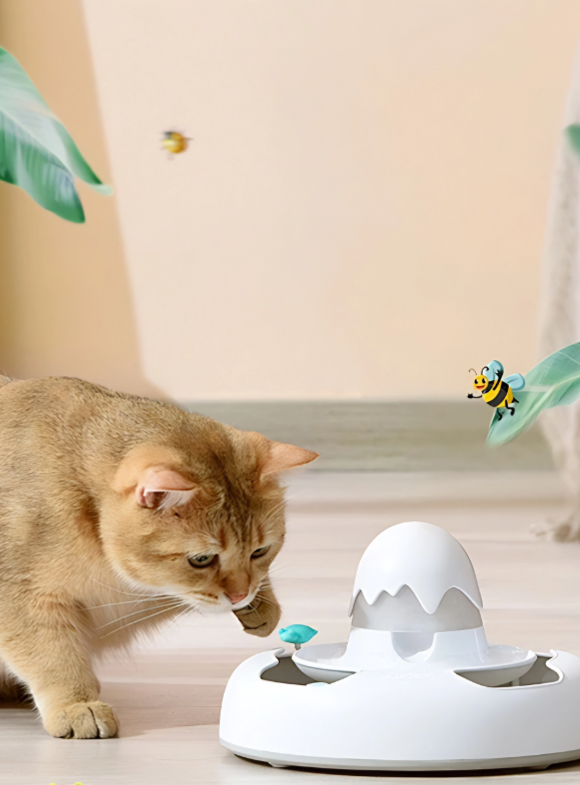
4.Spelconsole Shell
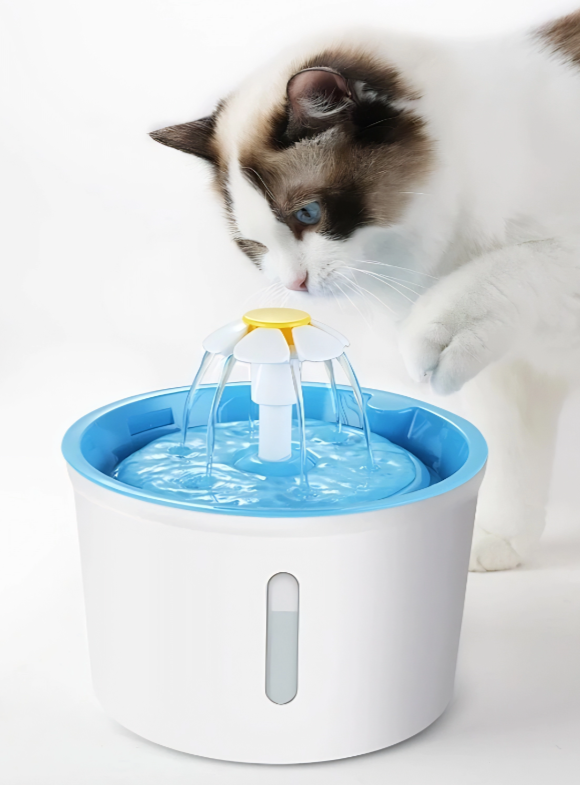
5.Pet water fontein Shell

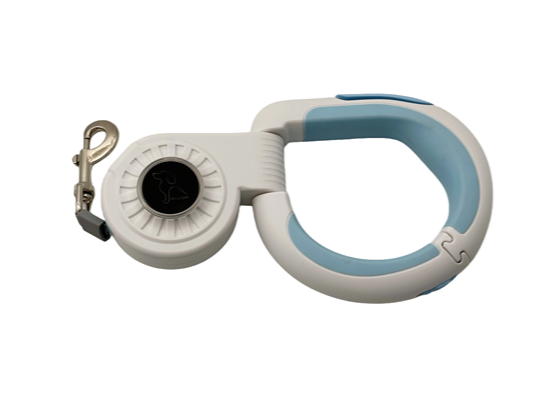
6.Leiband Shell

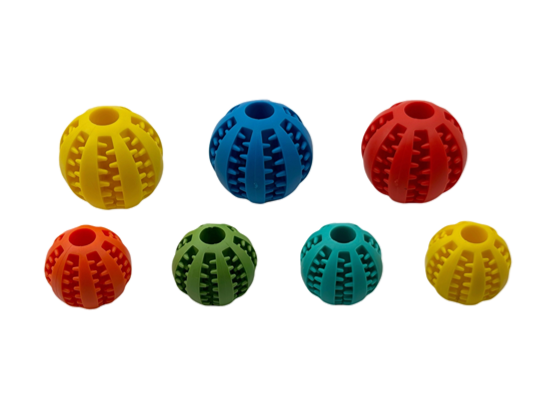
7. Plastic speelgoedbal

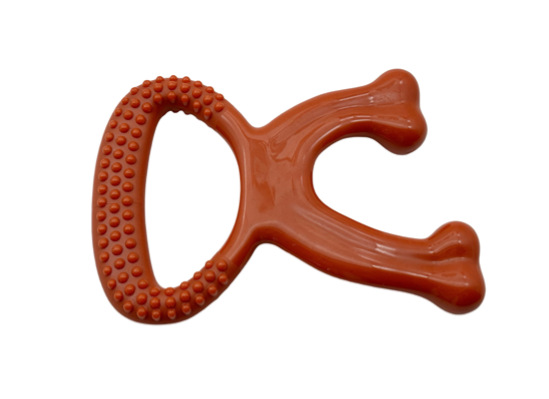
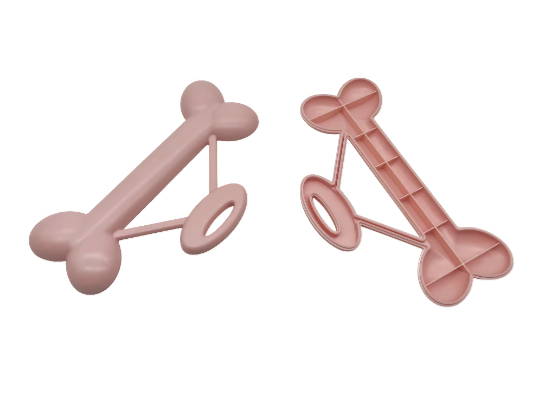
8. Kooi Plastic Accessoires



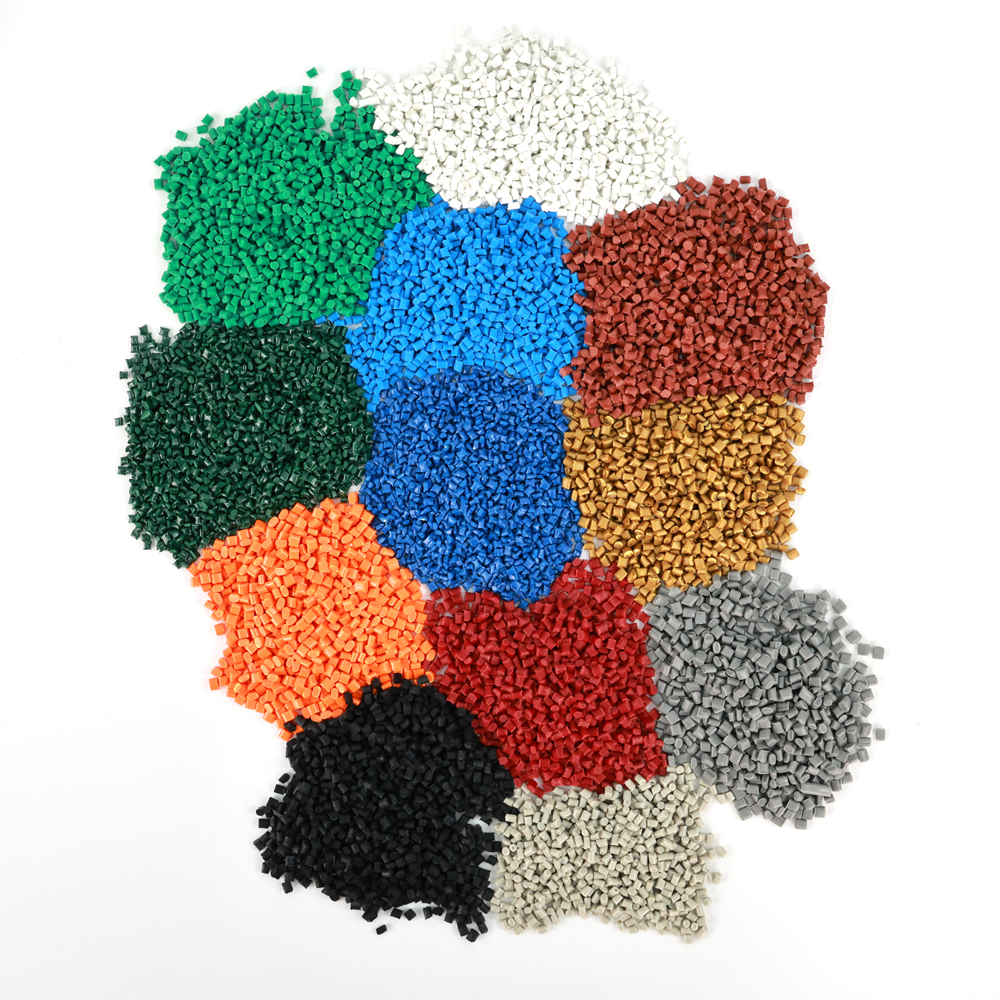
Materialen
Select resin grades that match cycle time, wear, heat, moisture, and inspection requirements.
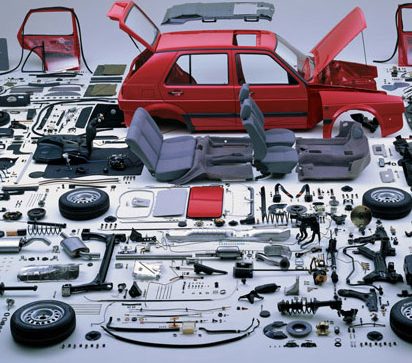
Oppervlakteafwerkingen
Plan texture, coating, marking, and cosmetic requirements around the automated handling process.
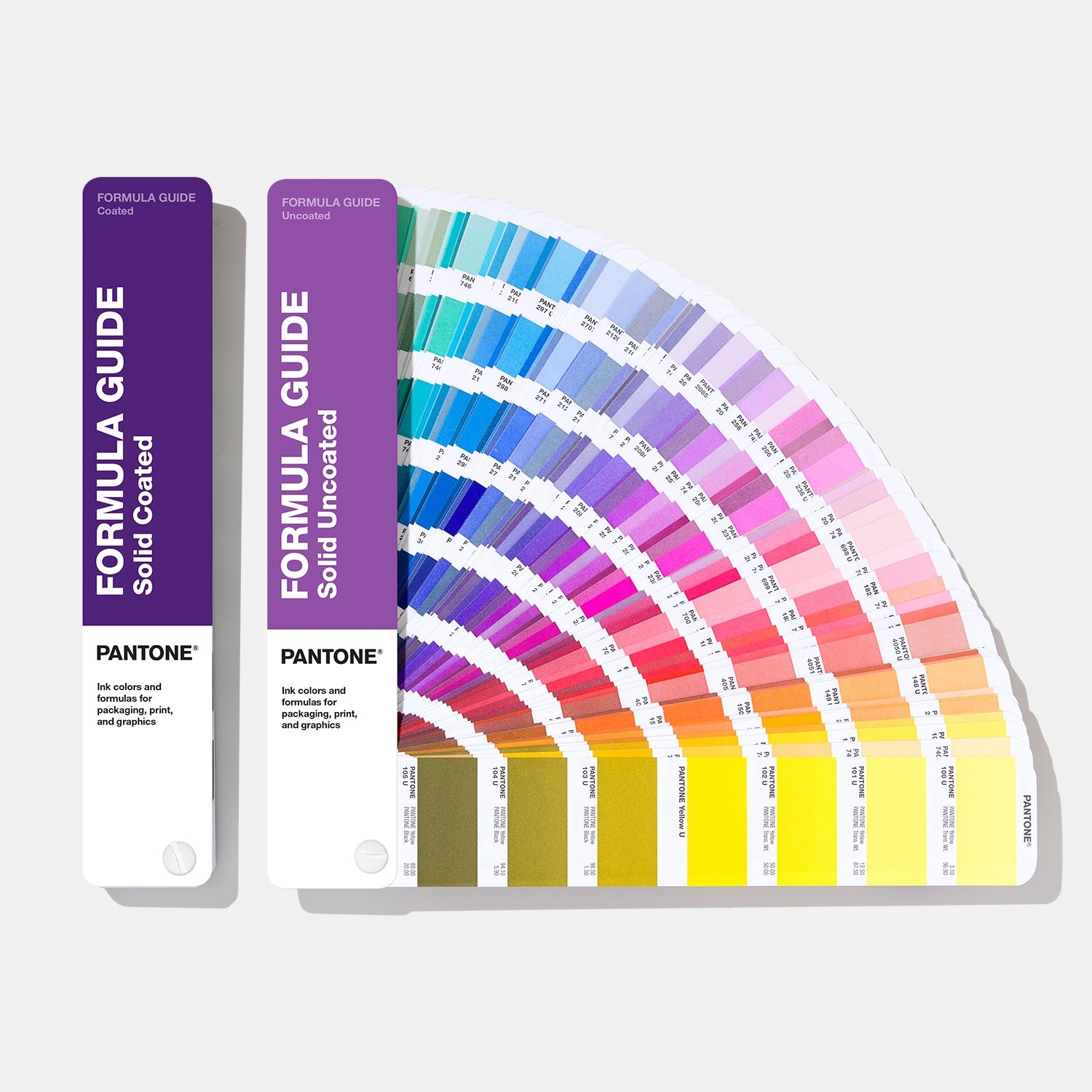
Color & Part Identification
Define color matching, laser marking, labels, or traceability features before production validation.