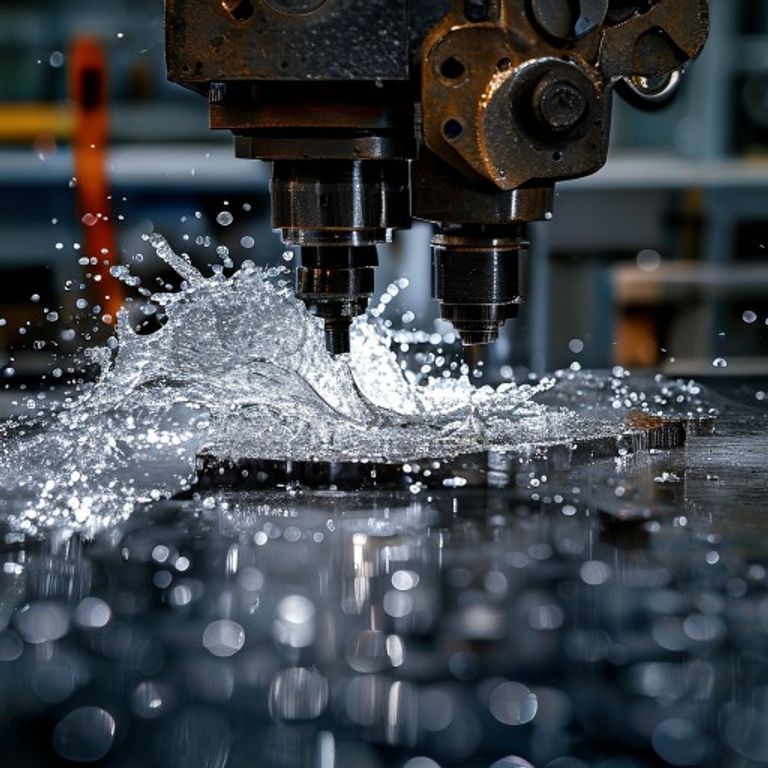
CNC-frezen is een van de meest veelzijdige en meest toegepaste subtractieve productieprocessen in de moderne industrie. Bij dit proces wordt gebruikgemaakt van computergestuurde roterende snijgereedschappen om materiaal van een werkstuk te verwijderen, waardoor precisieonderdelen met complexe geometrieën, nauwe toleranties en een uitstekende oppervlakteafwerking worden vervaardigd. Van eenvoudige 3-assige contourbewerking tot geavanceerde 5-assige gelijktijdige bewerking: CNC-freesdiensten bestrijken een enorm scala aan toepassingen in sectoren als de lucht- en ruimtevaart, de automobielindustrie, de medische sector, de elektronica en industriële apparatuur.

Hoe CNC-frezen werkt
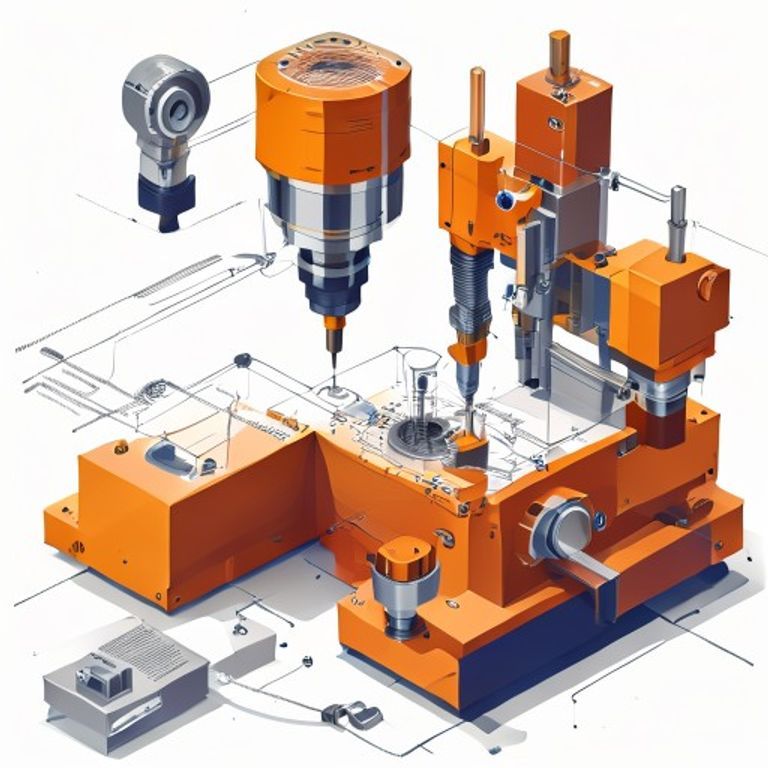
3-assig versus 4-assig versus 5-assig CNC-frezen
| Vermogen | 3-assig | 4-assig | 5-assig |
|---|---|---|---|
| Bewegingsassen | X, Y, Z lineair | X, Y, Z + 1 roterend (A of B) | X, Y, Z + 2 draaiknoppen (A, B of C) |
| Complexiteit | Vlakke oppervlakken, uitsparingen, eenvoudige contouren | Cilindrische elementen, nokken, sleuven op bogen | Ondersnijdingen, turbinebladen, waaiers, complexe vrije vormen |
| Aantal installaties | Meerdere opstellingen voor complexe onderdelen | Minder configuraties, meerdere functies in één configuratie | Voor de meeste onderdelen volstaat één instelling |
| Verdraagzaamheid | ISO 2768-m / ±0,05 mm | ±0,02 mm haalbaar | ±0,005 mm / GD&T haalbaar |
| Beste voor | Beugels, behuizingen, platen, eenvoudige matrijzen | Kenmerken van de as, excentrische gaten, spiraalvormige sleuven | Lucht- en ruimtevaartonderdelen, medische implantaten, turbineonderdelen |
Belangrijkste voordelen van CNC-freesdiensten
Hoge nauwkeurigheid en herhaalbaarheid
CNC-frezen levert een maatnauwkeurigheid van ±0,005 mm op 5-assige machines, met een uitstekende herhaalbaarheid tussen afzonderlijke onderdelen. Dit precisieniveau is essentieel voor onderdelen voor de lucht- en ruimtevaart, componenten voor medische apparatuur en behuizingen voor precisietandwielen, waarbij de naleving van de afmetingen rechtstreeks van invloed is op de prestaties en de veiligheid.
Mogelijkheden voor complexe geometrie
Met 5-assig CNC-frezen kunnen onderdelen worden vervaardigd met ondersnijdingen, vrije-vormoppervlakken en complexe 3D-contouren die met 3-assige machines of handmatige bewerking onmogelijk zouden zijn. Turbinebladen, waaiers, medische implantaten en structurele onderdelen voor de lucht- en ruimtevaart zijn allemaal standaardtoepassingen voor 5-assig frezen.
Breed assortiment materialen
CNC-freesdiensten zijn geschikt voor vrijwel elk bewerkbaar materiaal: aluminiumlegeringen (6061, 7075), staal (303, 304, 4140), titanium, koper, messing en het volledige assortiment technische kunststoffen, waaronder nylon (PA6, PA66), POM, PEEK, PC, PTFE, UHMWPE en acryl. Bij het frezen van kunststoffen zijn gespecialiseerde gereedschapsgeometrieën, snelheden en koelstrategieën vereist om smelten, afbrokkelen of bramen te voorkomen.
Snelle doorlooptijd en schaalbaarheid
Van losse prototypes tot productieseries van meer dan 10.000 stuks: CNC-frezen is efficiënt schaalbaar. Prototypes kunnen binnen 5 werkdagen worden verzonden, en productieopdrachten profiteren van geoptimaliseerde opspanning, batchverwerking en geautomatiseerde gereedschapswisselingen, waardoor de kosten per stuk concurrerend blijven, zelfs bij grotere volumes.
Gids voor materialen voor CNC-frezen
| Materiaal | Bewerkbaarheid | Essentiële eigenschappen | Algemene toepassingen |
|---|---|---|---|
| Aluminium 6061-T6 | Uitstekend | Licht van gewicht, goede sterkte, corrosiebestendig | Beugels, behuizingen, koellichamen, auto-onderdelen |
| Roestvrij staal 304 | Matig | Corrosiebestendig, hygiënisch, sterk | Medische hulpmiddelen, voedselverwerking, scheepsbenodigdheden |
| Nylon PA66 | Goed | Slijtvast, zelfsmerend, robuust | Tandwielen, bussen, lagers, slijtstroken |
| POM (Delrin) | Uitstekend | Lage wrijving, hoge stijfheid, maatvastheid | Precisietandwielen, klephuizen, transportbandonderdelen |
| PEEK | Moeilijk | Hittebestendig (260 °C), chemisch bestendig, biocompatibel | Afdichtingen voor de lucht- en ruimtevaart, medische implantaten, halfgeleideronderdelen |
| Titanium Ti-6Al-4V | Moeilijk | Hoge sterkte-gewichtsverhouding, corrosiebestendig, biocompatibel | Lucht- en ruimtevaartframes, medische implantaten, sportuitrusting |
Veelvoorkomende toepassingen van CNC-frezen
- Lucht- en ruimtevaart: Turbinebladen, bevestigingsbeugels, onderdelen voor de vluchtbesturing, onderdelen voor het brandstofsysteem
- Automobiel: Motoronderdelen, versnellingsbakbehuizingen, ophangingsonderdelen, op maat gemaakte beugels
- Medisch: Handgrepen voor chirurgische instrumenten, prototypes van implantaten, behuizingen voor diagnostische apparaten, orthopedische onderdelen
- Elektronica: PCB-behuizingen, aansluitblokken, koellichamen, EMI-afschermingsbehuizingen
- Industrieel: Pompbehuizingen, klephuizen, tandwielkasten, op maat gemaakte gereedschappen en s
- Prototyping: Snelle conceptvalidatie, assemblages voor pasproeven, functionele testopstellingen
CNC-frezen versus andere bewerkingsprocessen
In vergelijking met CNC-draaien blinkt frezen uit in het vervaardigen van vlakke oppervlakken, uitsparingen, sleuven en complexe 3D-profielen, terwijl draaien beter geschikt is voor cilindrische onderdelen zoals assen en bussen. In vergelijking met vonkverspaning is frezen voor de meeste geometrieën sneller, maar kan het niet hetzelfde precisieniveau bereiken bij geharde materialen of zeer dunne details. In vergelijking met waterstraalsnijden biedt frezen een betere maatnauwkeurigheid en oppervlakteafwerking, hoewel waterstraalsnijden geschikt is voor dikkere platen en hardere materialen zonder thermische vervorming. CNC-frezen blijft het meest veelzijdige subtractieve proces voor de productie van precisieonderdelen.
FAQ
Wanneer is ‘CNC-freesdiensten: nauwkeurige 3- tot 5-assige bewerking van complexe onderdelen’ de juiste keuze?
CNC-freesdiensten: precisiebewerking met 3 tot 5 assen voor complexe onderdelen is de juiste keuze wanneer het onderdeel een hoge bewerkingsnauwkeurigheid, gecontroleerde oppervlakken, herhaalbare kenmerken en een materiaal vereist dat betrouwbaar kan worden bewerkt.
Wat moet u controleren voordat u CNC-freesdiensten bestelt: precisiebewerking met 3 tot 5 assen voor complexe onderdelen?
Bevestig de tekeningversie, materiaalsoort, toleranties, hoeveelheid, kritieke afmetingen, oppervlakteafwerking en inspectievereisten voordat de productie start.
Wat zijn doorgaans de kostenbepalende factoren bij CNC-freesdiensten: precisiebewerking met 3 tot 5 assen voor complexe onderdelen?
De kosten worden meestal bepaald door materiaal, insteltijd, machinetijd, tolerantiemoeilijkheden, opspannen, toegang tot gereedschap, afwerking, inspectie en orderaantal.
Hoe kan het kwaliteitsrisico worden beperkt bij CNC-freesdiensten: precisiebewerking met 3 tot 5 assen voor complexe onderdelen?
Het kwaliteitsrisico wordt verminderd door kritieke kenmerken duidelijk te markeren, onnodige krappe toleranties te vermijden, de maakbaarheid in een vroeg stadium te bevestigen en inspectiegegevens te gebruiken voor belangrijke afmetingen.