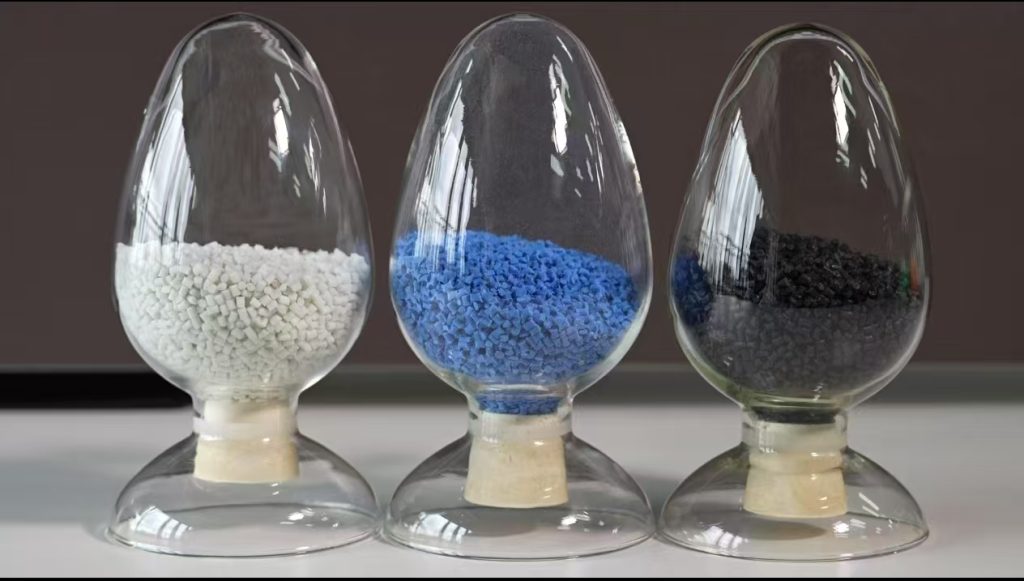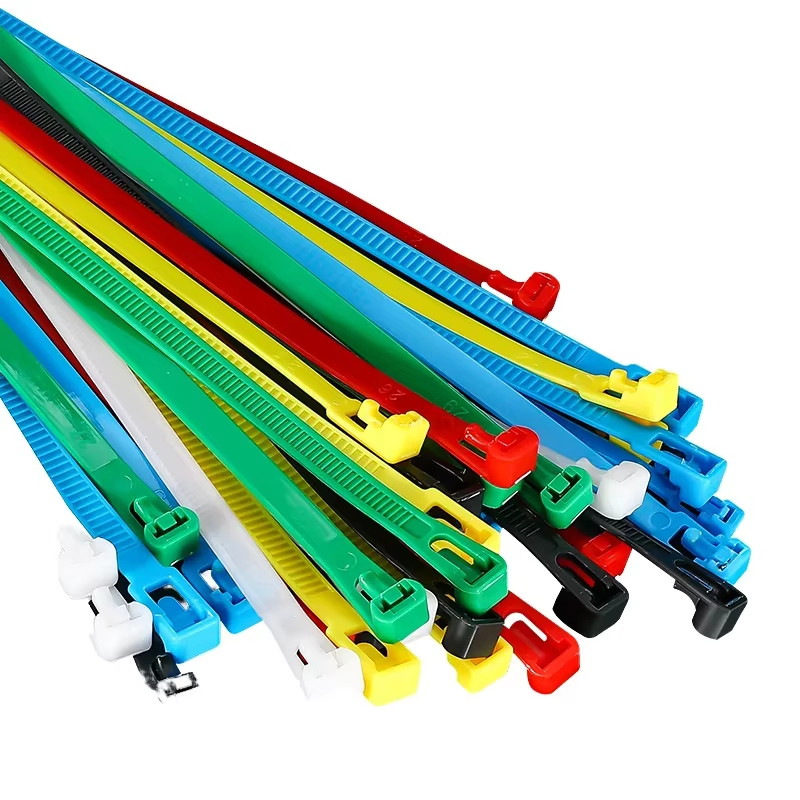
Selecting between Nylon 6 and Nylon 66 is one of the most common material decisions in engineering plastics. Both are polyamides with strong mechanical properties, but they serve different application needs. Here’s a practical comparison to help you decide.
Thermische eigenschappen
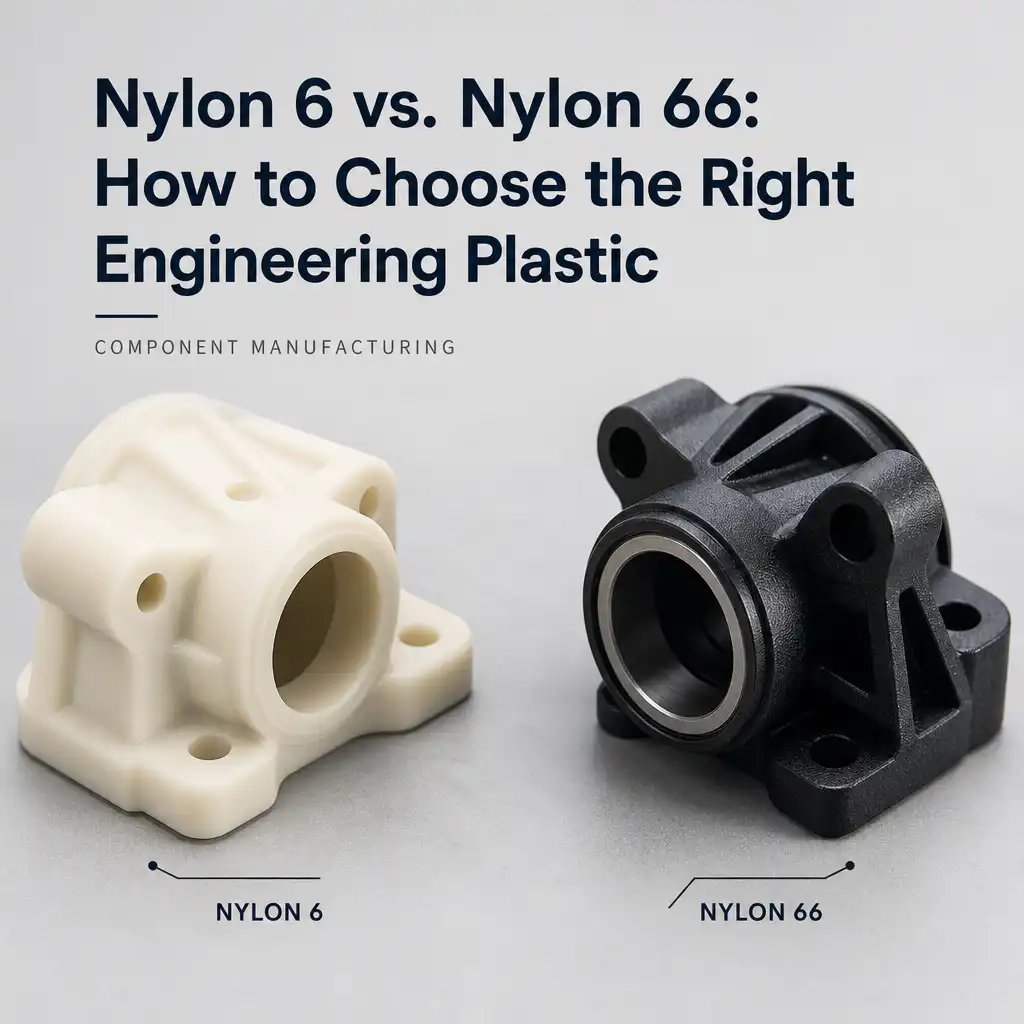
Nylon 66 has a higher melting point (265°C) compared to Nylon 6 (220°C), giving it better heat resistance. Parts exposed to temperatures above 100°C often perform better with Nylon 66. Nylon 6 is more susceptible to degradation in high-heat environments.
Mechanische sterkte
Nylon 66 offers superior tensile strength and modulus, making it ideal for high-load structural components. Nylon 6 absorbs more moisture and has better impact resistance at room temperature, which is advantageous for parts requiring toughness.
Vochtabsorptie
Moisture affects stiffness, impact behavior and dimensions in both materials. Compare the exact grades under the same conditioning method; water-saturation values are not interchangeable with equilibrium data at 50% relative humidity. Check critical fits in the intended service condition.
Verwerking en kosten
Nylon 6 processes at lower temperatures, reducing energy costs and mold wear. It’s generally more cost-effective for general-purpose applications. Nylon 66 requires higher processing temperatures but offers better surface finish and stiffness retention.
Aanbevelingen voor het gebruik
- Choose Nylon 6: General mechanical parts, consumer products, 3D printing filaments, where cost efficiency and impact toughness are priorities
- Choose Nylon 66: Automotive engine components, high-temperature applications, precision engineering parts requiring dimensional stability
Carbon Fiber Reinforced Variants
Both Nylon 6 and Nylon 66 can be reinforced with carbon fiber. Carbon fiber reinforcement significantly improves strength-to-weight ratio, reduces thermal expansion, and enhances dimensional stability. For 3D printing applications, carbon fiber reinforced Nylon 6 (PA6-CF) is widely available and offers excellent printability.
For a manufacturer comparison of moisture uptake under stated conditions, see Arkema’s polyamide property guidance. Use the proposed grade’s current datasheet for an actual order.
Conclusie
Neither material is universally superior. Nylon 66 excels in heat resistance and structural stiffness; Nylon 6 offers better impact resistance and cost efficiency. Your choice should be based on operating temperature, load requirements, environmental conditions, and budget constraints.
At Nylonplastic, we supply both Nylon 6 and Nylon 66 materials in various grades, including glass fiber and carbon fiber reinforced formulations. We also provide CNC machining and 3D printing services using these materials.
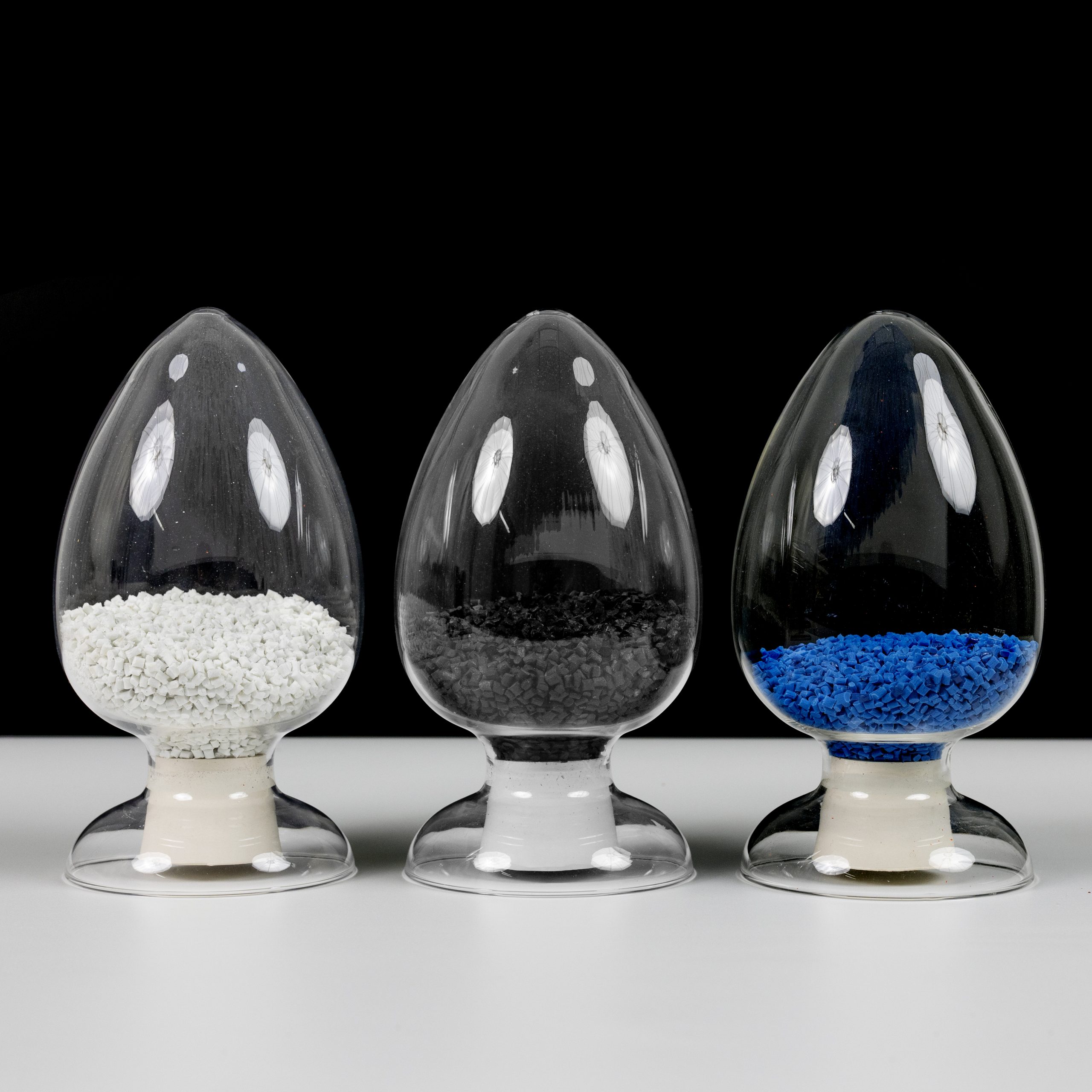
Klaar om in te kopen? Nylonplastic levert alle materialen die in deze gids worden besproken — zowel in standaard- als in op maat gemaakte kwaliteiten, met een kwaliteitscertificering volgens IATF 16949, ISO 9001 en ISO 14001. Vraag een offerte aan →
FAQ
Wat is het verschil tussen nylon 6 en nylon 66?
PA6 and PA66 have different polymer structures and processing windows. Compare the exact commercial grades, reinforcement and conditioning state; the polymer name alone does not define strength, impact resistance or dimensional stability.
Wat is beter hittebestendig: nylon 6 of nylon 66?
PA66 generally has a higher melting temperature than PA6. Melting temperature, HDT and continuous-use temperature describe different limits. For a loaded part, compare grade-specific heat-aging and HDT data under the same test conditions.
Wat neemt minder vocht op: nylon 6 of nylon 66?
Both absorb moisture. Keep equilibrium moisture at a specified relative humidity separate from water-saturation data. Compare the actual grades using the same ISO 62 condition, then assess the resulting change in fit and mechanical properties.
Nylon 6 versus Nylon 66: wat is voordeliger?
Compare current grade quotations and the cost of the accepted part. Reinforcement, drying, cycle time, inspection and scrap can outweigh a difference in the base resin price.
Welke nylonkwaliteit is het meest geschikt voor toepassingen onder de motorkap van auto’s?
Match the exact grade to heat aging, fluids, mechanical loads and the customer specification. Neither PA6 nor PA66 is approved for an under-hood component simply because of its polymer family. Compare Nylon 6-soorten met glasvezelversterking against the application requirements.
Welke invloed heeft glasvezelversterking op de eigenschappen van nylon 6 ten opzichte van nylon 66?
Glass reinforcement changes stiffness, shrinkage and anisotropy. Compare the same glass content and test conditions, then verify the actual fiber orientation and weld lines in the part. Use the Versterkingsopties: glasvezel versus koolstofvezel comparison when reviewing reinforcement choices.
Wat is het verschil in bewerkbaarheid tussen nylon 6 en nylon 66?
For either nylon, review stock form, moisture state, clamping, thermal movement and the critical dimensions. Use Best practices voor CNC-bewerking van technische kunststoffen to plan machining and inspection together.
Wat is beter bestand tegen UV-straling buitenshuis: nylon 6 of nylon 66?
Specify an outdoor grade and the required exposure and retained-property tests. A PA6 or PA66 label alone does not establish UV durability.
Heeft nylon 6 of nylon 66 een betere weerstand tegen vermoeidheid?
Compare fatigue data for the actual grades at the relevant temperature and moisture condition. Load direction, reinforcement, notches and weld lines can determine the result in the finished geometry.
What processing temperatures are required for Nylon 6 vs Nylon 66?
Use the material supplier’s drying, melt and mold-temperature guidance for the exact grade. Check the machine, residence time and mold requirements rather than applying one family-wide recipe.