Wat is ABS kunststof? Eigenschappen, toepassingen en productiegids
27 mei 2026 | 5 minuten lezen
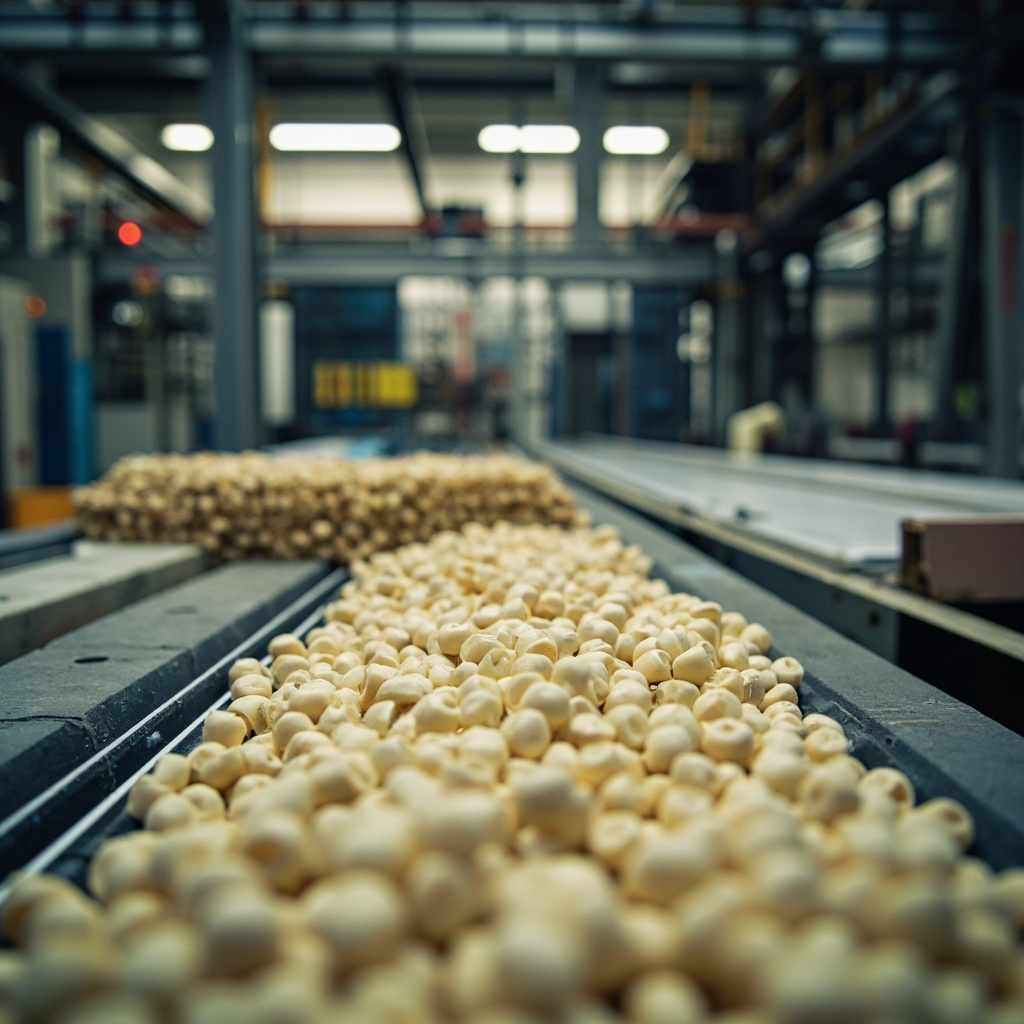
ABS (Acrylonitrile Butadiene Styrene) is one of the most widely used engineering thermoplastics in manufacturing today. You find it in everything from automotive dashboards to consumer electronics housings to LEGO bricks. But what exactly makes this material so versatile, and how do you know if it’s the right choice for your next project?
In this guide, we break down ABS plastic’s mechanical properties, compare it with alternatives, and explain how it performs across major manufacturing processes—CNC machining, injection molding, and 3D printing—so you can make an informed material decision.
What Is ABS Plastic Made Of?
ABS is a terpolymer—a material composed of three distinct monomers chemically bonded together:
Acrylonitrile provides chemical resistance and thermal stability
Butadiene contributes impact resistance and toughness
Styrene delivers rigidity and a glossy surface finish
The exact ratio of these components varies by grade, which is why ABS isn’t a single material but a family of formulations. General-purpose ABS typically contains roughly 50% styrene, 30% acrylonitrile, and 20% butadiene by weight, though specialty grades can deviate significantly.
Key Properties of ABS Plastic
ABS occupies a practical middle ground in the engineering plastics spectrum—tougher than polystyrene, more affordable than polycarbonate, and easier to process than many high-performance alternatives.
Eigendom
Waarde
Opmerkingen
Dichtheid
1,04 g/cm³
Lightweight, similar to PP
Treksterkte
40-50 MPa
Moderate strength
Slagvastheid (ingekeepte Izod)
200-400 J/m
Good toughness from butadiene
Temperatuur warmteafbuiging
88-98 degrees C (HDT-A)
Not suitable for high-heat environments
Glasovergangstemperatuur (Tg)
~105 degrees C
Softens above this temperature
Smelttemperatuur
220-250 degrees C
Processing range for injection molding
Flexural Modulus
2.100–2.500 MPa
Goede maatvastheid
#ddd;”>Water Absorption (24h)
0.2-0.4%
Low; stable in humid environments
ABS Plastic Grades and Variants
Not all ABS is the same. Different grades serve different purposes:
Slagvast ABS
Increased butadiene content dramatically improves impact resistance. Used in protective equipment, tool housings, and applications where drop-test performance matters.
ABS-FR (Flame-Retardant)
Treated with flame retardants to meet UL94 V-0 or V-2 ratings. Essential for electrical enclosures, automotive interiors, and consumer electronics.
ABS-PC (ABS-Polycarbonate Blend)
Glas
s-Fiber-Reinforced ABS
10-30% glass fiber reinforcement increases stiffness and dimensional stability, though impact resistance decreases. Suitable for structural components under load.
ABS-ESD (Electrostatic Discharge)
Specialty grade formulated to dissipate static charge. Critical for electronics manufacturing environments where electrostatic discharge can damage sensitive components.
ABS in Manufacturing: CNC Machining, Injection Molding, and 3D Printing
CNC Machining ABS
ABS machines cleanly with standard CNC equipment. It yields smooth surfaces with minimal burr formation, and chips evacuate freely without clogging flutes. Key considerations:
Use sharp carbide or PCD tools – ABS is abrasive enough to dull HSS quickly in production runs
Climb milling reduces burr formation on top surfaces
Water-based coolant prevents thermal softening during high-speed cuts
Clamping force must be controlled – ABS compresses more than metals, so excessive pressure causes part distortion
Injection Molding ABS
ABS is a forgiving material for injection molding with a wide processing window:
Melt temperature: 220-260 degrees C
Mold temperature: 40-80 degrees C
Injection pressure: 60-100 MPa
Shrinkage: 0.4-0.7% (moderate, predictable)
Warping is the most common defect, especially in thin-walled parts or large flat sections. Proper wall thickness design and balanced gating mitigate this. ABS also absorbs moisture – drying at 80-85 degrees C for 2-4 hours before molding prevents splay defects.
3D Printing with ABS
ABS filament prints at 230-260 degrees C on a heated bed (100-110 degrees C). It requires an enclosed print chamber to prevent warping from uneven cooling. Key requirements:
Enclosure maintains ambient temperature above 35 degrees C
PEI or glass bed with adhesion promoter
Active part cooling fan should run at low speed or off for first layers
ABS is hygroscopic – dry filament before printing
ASA is often preferred over ABS for outdoor applications due to superior UV resistance, though ASA prints similarly and shares the same warping challenges.
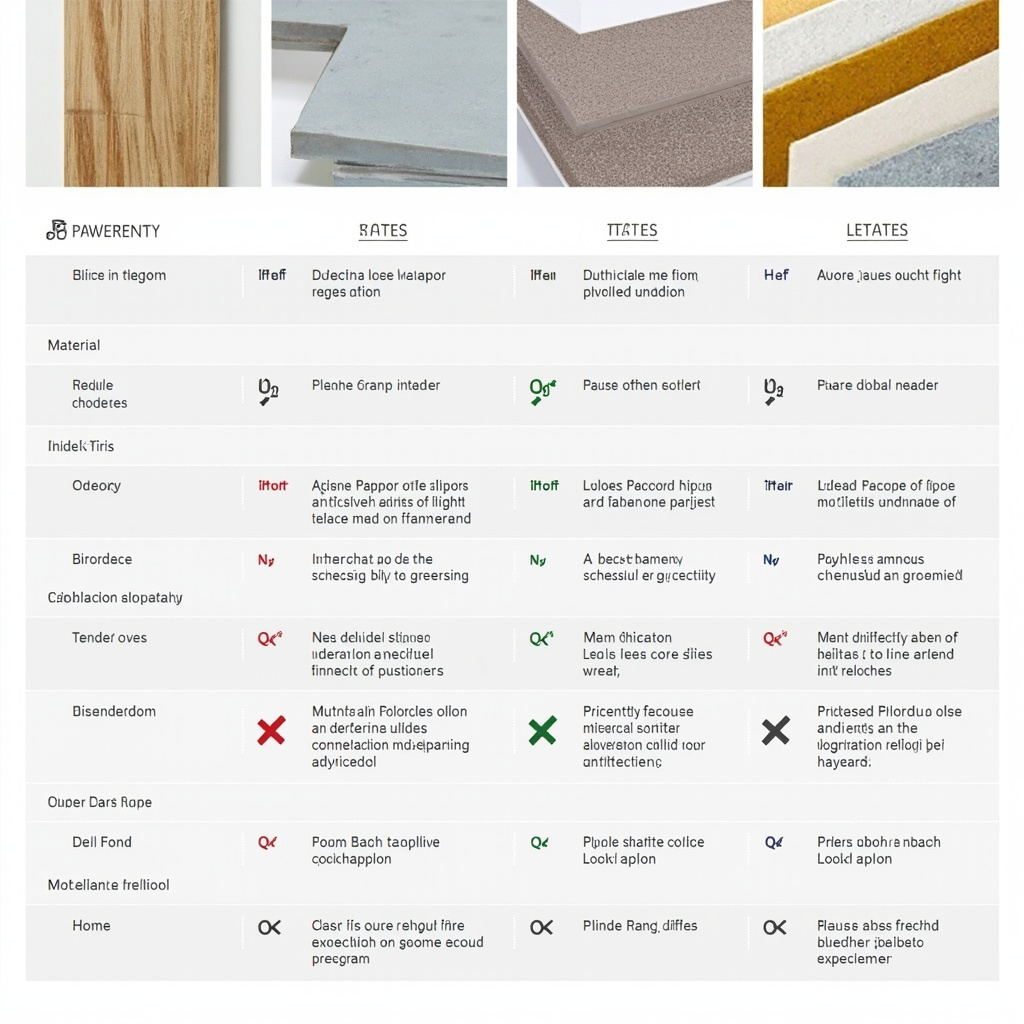
ABS vs. Other Engineering Plastics
Eigendom
ABS
Polycarbonaat
Nylon (PA6)
POM (acetaal)
Schokbestendigheid
Goed
Uitstekend
Goed
Matig
Hittebestendigheid
Moderate (88C)
High (135C)
High (190C)
Moderate (95C)
Chemische weerstand
Matig
Matig
Goed
Uitstekend
Vochtabsorptie
Low (0.3%)
Moderate (0.15%)
High (9%)
Low (0.2%)
Bewerkbaarheid
Uitstekend
Goed
Matig
Goed
Kostenniveau
Laag-Gemiddeld
Middelhoog
Medium
Middelhoog
Common Applications of ABS
ABS’s balanced property profile makes it suitable for a wide range of industrial and consumer applications:
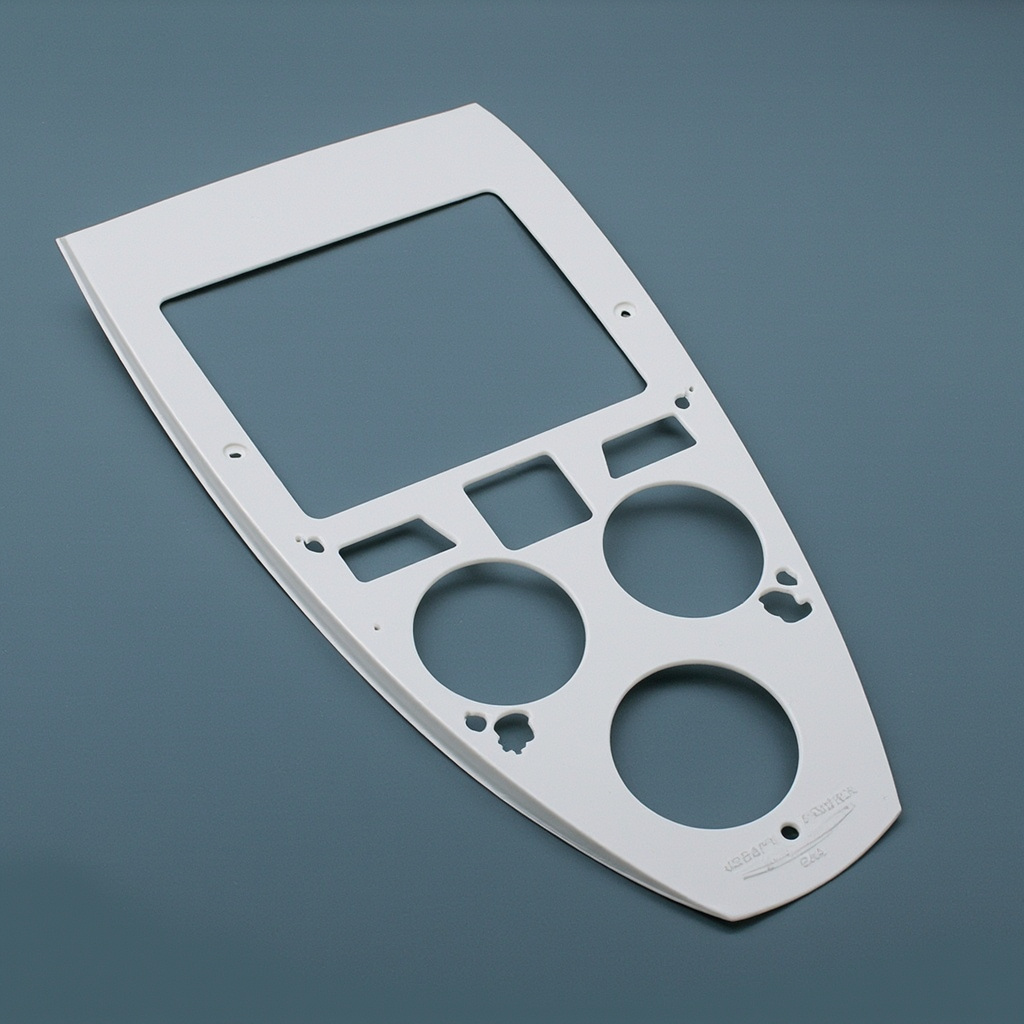
Automotive: Instrument panels, interior trim, seat controls, mirror housings – most use ABS or ABS-PC blends
Elektronica: Computer keyboard caps (the classic example), TV housings, power tool casings, charger bodies
Medical (grade-dependent): Diagnostic equipment housings, drug delivery device components – requires biocompatible grades
Our Manufacturing Capabilities with ABS
We machine and mold ABS parts for prototyping and low-to-mid-volume production. Our facility handles:
CNC milling and turning of ABS components with tolerances to +/-0.01 mm
Injection molding of ABS in prototype quantities (50-5,000+ pcs)
ABS 3D printing via FDM for functional prototypes and tooling aids
Nabewerking: lakken, galvaniseren, ultrasoon lassen en tampondruk
FAQ
When is What Is ABS Plastic? Properties, Applications, and Manufacturing Guide a good option?
What Is ABS Plastic? Properties, Applications, and Manufacturing Guide is a good option when fast iteration, complex geometry, low tooling cost, or low-volume production is more important than molded-part unit cost.
What should be checked before choosing What Is ABS Plastic? Properties, Applications, and Manufacturing Guide?
Controleer de onderdeelgrootte, materiaaleigenschappen, oppervlakteafwerking, maattolerantie, blootstelling aan hitte, belastingsrichting en of nabewerking nodig is.
How does What Is ABS Plastic? Properties, Applications, and Manufacturing Guide compare with CNC machining?
Met 3D-printen kunnen complexe vormen snel worden gemaakt, terwijl CNC-bewerking vaak sterker is voor precieze oppervlakken, nauwere toleranties en productiematerialen.
What affects the cost of What Is ABS Plastic? Properties, Applications, and Manufacturing Guide?
De kosten zijn afhankelijk van het materiaal, het bouwvolume, de printtijd, de laaghoogte, het verwijderen van de ondersteuning, de afwerking, de inspectie en het aantal onderdelen in de bouw.