
'Spanning versus rek' vormt een complete gids voor materiaalvervorming en -beproeving – een van de belangrijkste onderwerpen in de moderne techniek en productie. Deze uitgebreide gids behandelt de fundamentele eigenschappen, industriële toepassingen en productieaspecten van spanning versus rek, en biedt ingenieurs en inkoopprofessionals essentiële kennis voor materiaalkeuze en het ontwerpen van toepassingen.
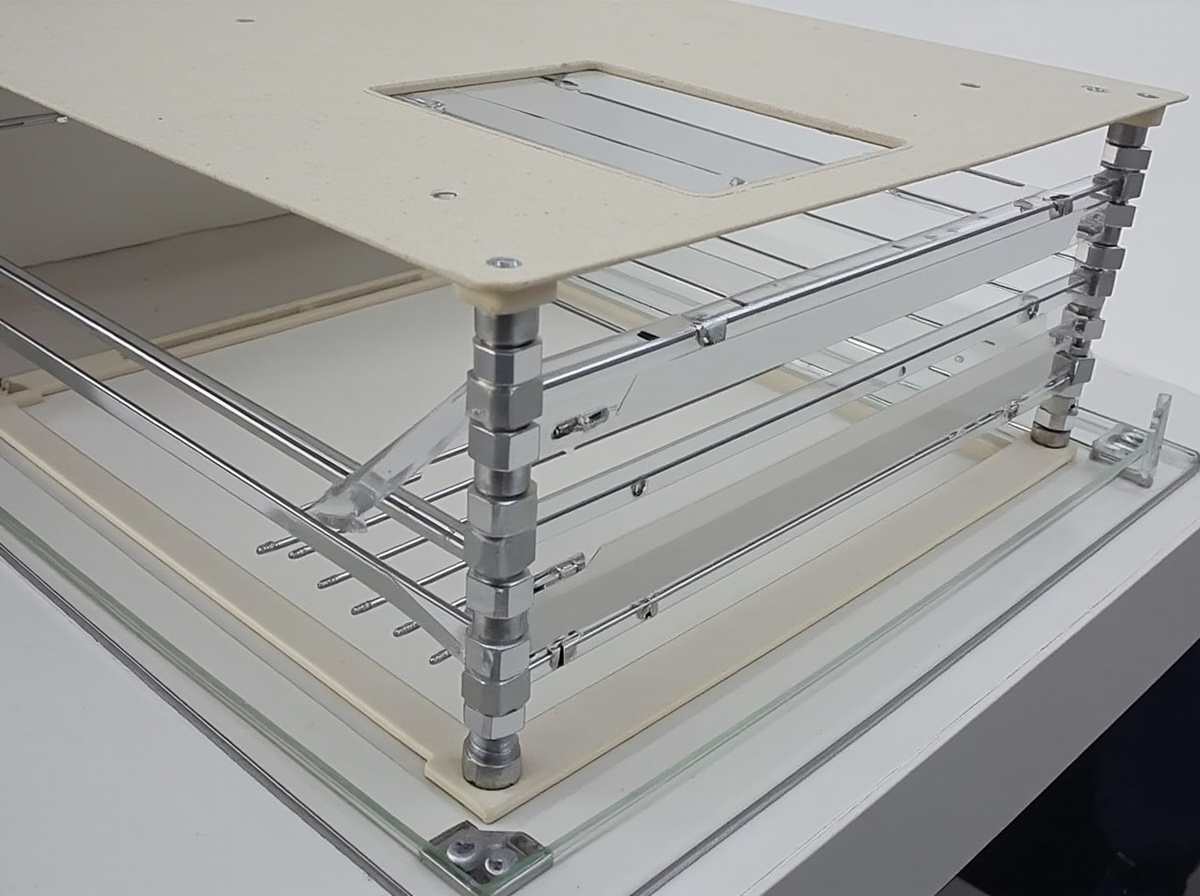
Fundamentele eigenschappen en kenmerken
De eigenschappen op het gebied van spanning en rek bepalen of materialen geschikt zijn voor specifieke technische toepassingen. Belangrijke kenmerken zijn onder meer mechanische sterkte, corrosiebestendigheid, thermische stabiliteit en verwerkingsgedrag. Inzicht in deze fundamentele eigenschappen maakt een optimale materiaalkeuze mogelijk voor uiteenlopende industriële toepassingen.
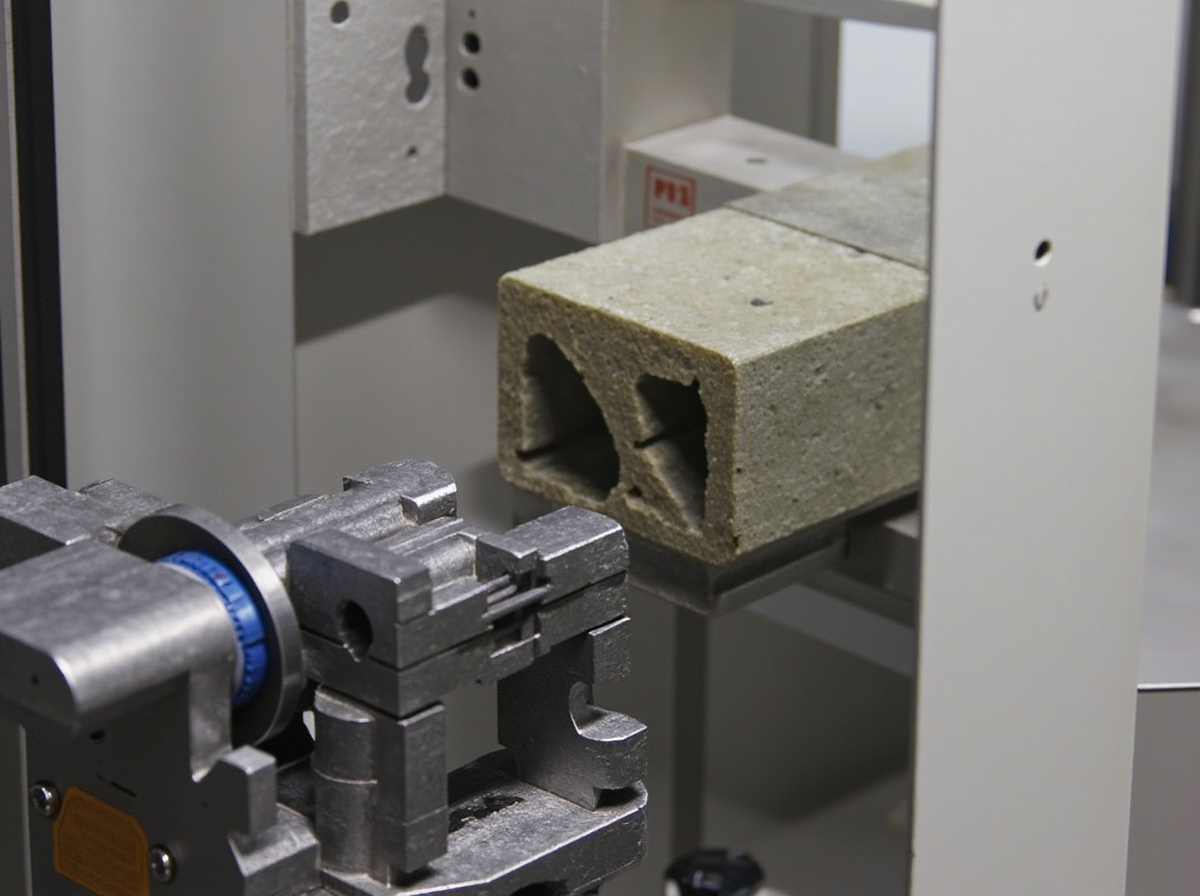
Industriële toepassingen
| Toepassingsgebied | Specifiek gebruik | Prestatievereisten | Materiaalvoordelen |
|---|---|---|---|
| Productie | Productie van onderdelen | Hoge sterkte, duurzaamheid | Kosteneffectief, betrouwbaar |
| Bouw | Structurele elementen | Draagvermogen | Lange levensduur |
| Elektronica | Elektrische onderdelen | Geleidbaarheid, stabiliteit | Prestatieconsistentie |
| Automotive | Voertuigonderdelen | Gewicht optimalisatie | Brandstofefficiëntie |
| Ruimtevaart | Vliegtuigstructuren | Hoge sterkte/gewicht | Veiligheidskritiek |
Productieprocessen
Bij de productie waarbij spanning en rek een rol spelen, wordt gebruikgemaakt van gespecialiseerde processen die zijn afgestemd op de materiaaleigenschappen en de toepassingsvereisten. Veelgebruikte productiemethoden zijn onder meer gieten, smeden, machinale bewerking en additive manufacturing, die elk hun eigen voordelen bieden voor specifieke componentgeometrieën en prestatiecriteria.
Overwegingen bij materiaalselectie
Bij de keuze tussen spanning en rek voor technische toepassingen moeten verschillende prestatiecriteria worden afgewogen tegen kostenbeperkingen en de haalbaarheid van de productie. Belangrijke overwegingen zijn onder meer mechanische eigenschappen, omgevingsbestendigheid, verwerkingseigenschappen en levenscycluskosten.
Prestaties vs. kostenanalyse
Bij de materiaalkeuze wordt een afweging gemaakt tussen prestatie-eisen en economische beperkingen. De verhouding tussen spanning en rek biedt specifieke voordelen in toepassingen waar [prestatiekenmerk] vereist is, hoewel alternatieve materialen voor minder veeleisende toepassingen wellicht een betere prijs-kwaliteitverhouding bieden.
Milieu en regelgeving
Milieuregelgeving en duurzaamheidsoverwegingen spelen een steeds grotere rol bij de materiaalkeuze. Voor specifieke toepassingen en geografische markten moet worden gecontroleerd of de verhouding tussen spanning en rek voldoet aan de relevante normen en voorschriften.
Toekomstige ontwikkelingen en trends
De vooruitgang op het gebied van stress-versus-strain-technologie blijft de toepassingsmogelijkheden uitbreiden en speelt tegelijkertijd in op duurzaamheidskwesties. Opkomende trends zijn onder meer een verbeterde verwerkingsefficiëntie, verbeterde materiaaleigenschappen door de ontwikkeling van legeringen, en een grotere focus op recycleerbaarheid en de principes van de circulaire economie.
Conclusie
Spanning versus rek vormt een cruciale materiaalcategorie met uiteenlopende industriële toepassingen in onder meer de productie, de bouw, de elektronica, de automobielindustrie en de lucht- en ruimtevaart. Door inzicht te krijgen in de fundamentele eigenschappen, verwerkingskenmerken en toepassingsspecifieke overwegingen kunnen ingenieurs en inkoopprofessionals weloverwogen materiaalkeuzes maken die een evenwicht bieden tussen prestaties, kosten en duurzaamheidseisen.
FAQ
Waarom is ‘Spanning versus rek: een complete gids voor materiaalvervorming en -beproeving’ van belang?
Spanning versus rek: de complete gids voor materiaalvervorming en -beproeving is van belang omdat hiermee het gedrag van materialen wordt omgezet in meetbare gegevens die als leidraad kunnen dienen bij beslissingen op het gebied van ontwerp, inkoop en productie.
Hoe wordt het boek *Stress vs Strain: Complete Guide to Material Deformation and Testing* gebruikt bij de materiaalkeuze?
Ingenieurs gebruiken het resultaat om kandidaatmaterialen te vergelijken, veiligheidsmarges te bevestigen en te voorkomen dat ze alleen moeten vertrouwen op algemene beweringen op het gegevensblad.
Welke factoren kunnen het resultaat van ‘Spanning versus rek: complete gids voor materiaalvervorming en -beproeving’ beïnvloeden?
Monstervoorbereiding, testmethode, temperatuur, laadrichting, materiaaltoestand en standaardselectie kunnen allemaal het resultaat beïnvloeden.
Welke fout moeten kopers vermijden bij het boek *Stress vs Strain: Complete Guide to Material Deformation and Testing*?
Vergelijk geen waarden tenzij dezelfde standaard, conditie van het monster en testomgeving worden gebruikt.

