
Silicone Material represents Properties, Types and Industrial Applications Guide one of the most important materials in modern engineering and manufacturing. This comprehensive guide examines the fundamental properties, industrial applications, and manufacturing considerations for this critical material, providing engineers and procurement professionals with essential knowledge for material selection and application design.
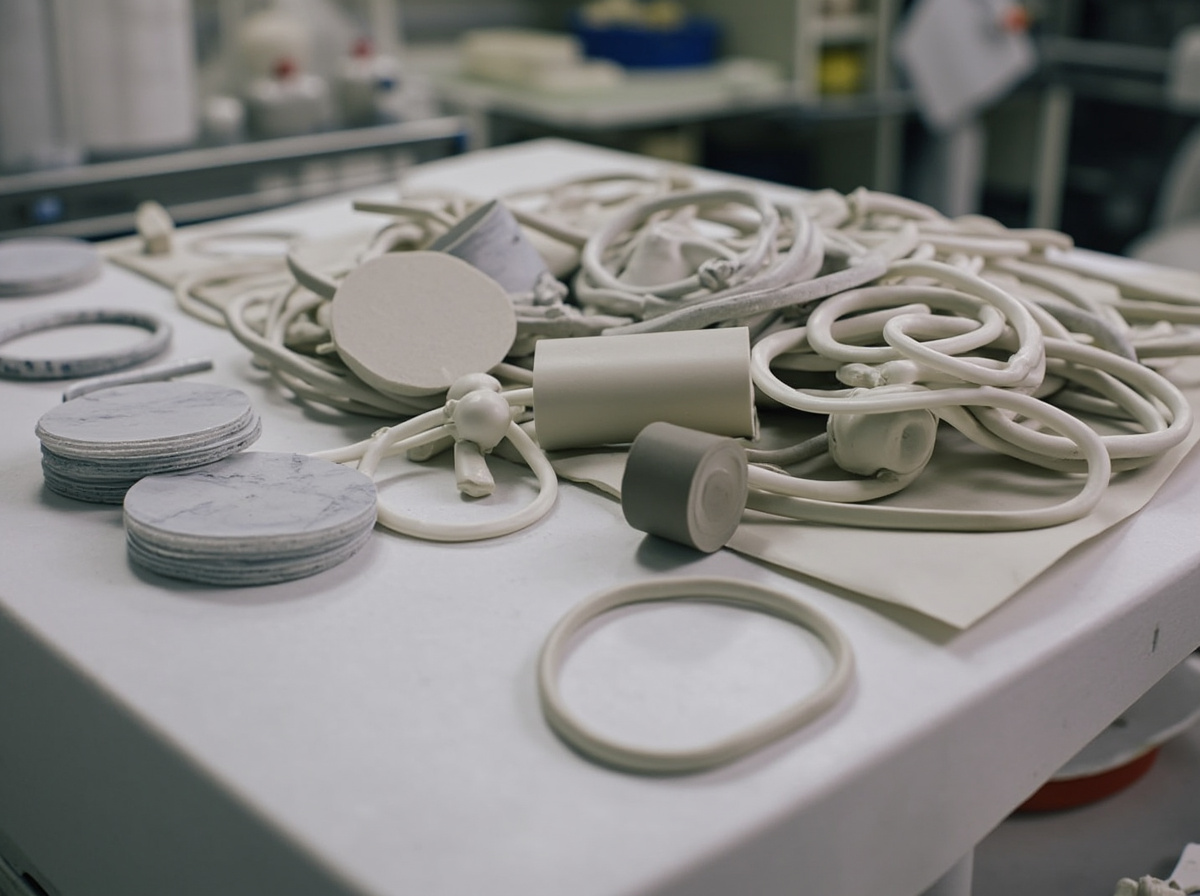
Fundamentele eigenschappen en kenmerken
The material properties of silicone determine its suitability for specific engineering applications. Key characteristics include mechanical strength, thermal stability, chemical resistance, and processing behavior. Understanding these fundamental properties enables optimal material selection across diverse industrial applications.
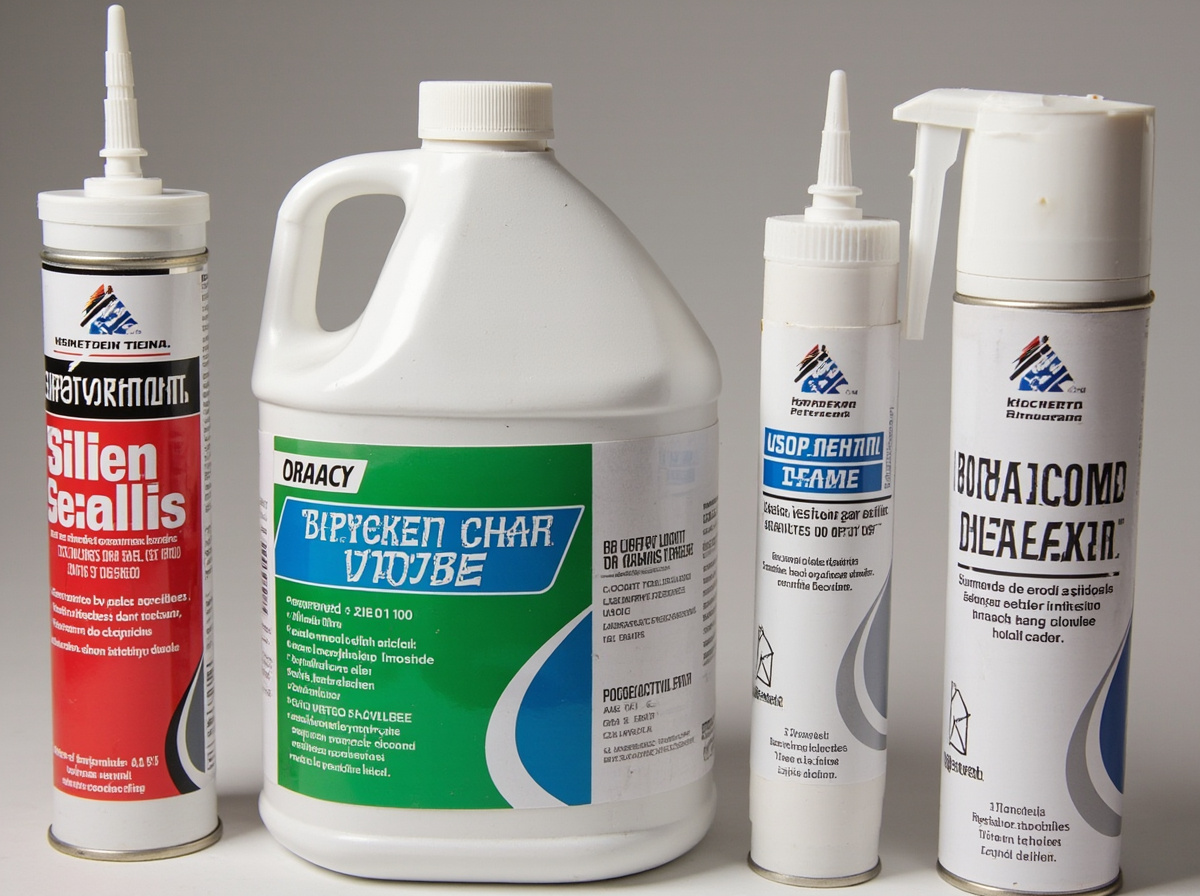
Industriële toepassingen
| Toepassingsgebied | Specifiek gebruik | Prestatievereisten | Materiaalvoordelen |
|---|---|---|---|
| Productie | Productie van onderdelen | Hoge sterkte, duurzaamheid | Kosteneffectief, betrouwbaar |
| Bouw | Structurele elementen | Draagvermogen | Lange levensduur |
| Elektronica | Elektrische onderdelen | Geleidbaarheid, stabiliteit | Prestatieconsistentie |
| Automotive | Voertuigonderdelen | Gewicht optimalisatie | Brandstofefficiëntie |
| Ruimtevaart | Vliegtuigstructuren | Hoge sterkte/gewicht | Veiligheidskritiek |
Productieprocessen
silicone manufacturing involves specialized processes tailored to material properties and application requirements. Common manufacturing methods include casting, forging, machining, and additive manufacturing, each offering distinct advantages for specific component geometries and performance criteria.
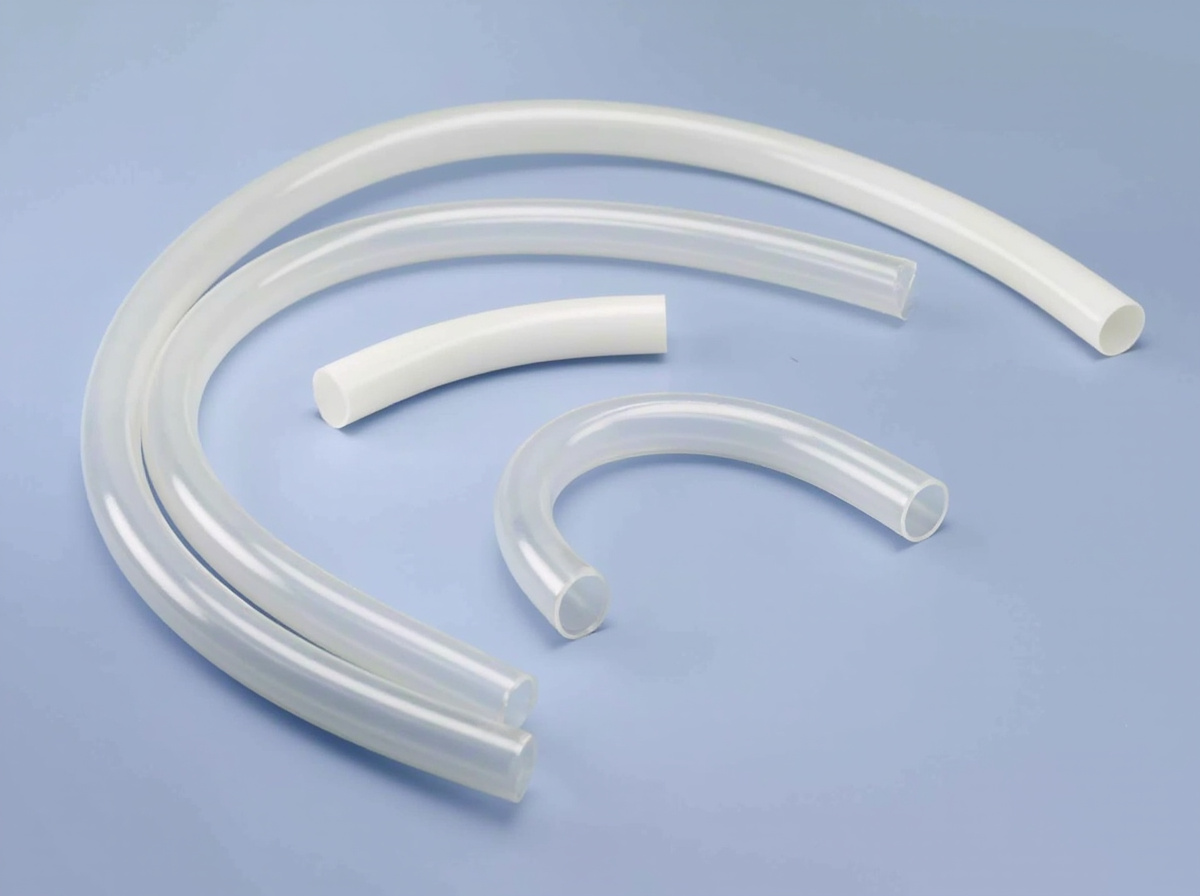
Overwegingen bij materiaalselectie
Selecting silicone for engineering applications requires evaluating multiple performance criteria against cost constraints and manufacturing feasibility. Key considerations include mechanical properties, environmental resistance, processing characteristics, and lifecycle costs.
Prestaties vs. kostenanalyse
Material selection balances performance requirements against economic constraints. silicone offers specific advantages in applications requiring [performance characteristic], though alternative materials may provide better cost-performance ratios for less demanding applications.
Milieu en regelgeving
Environmental regulations and sustainability considerations increasingly influence material selection. silicone compliance with relevant standards and regulations must be verified for specific applications and geographic markets.
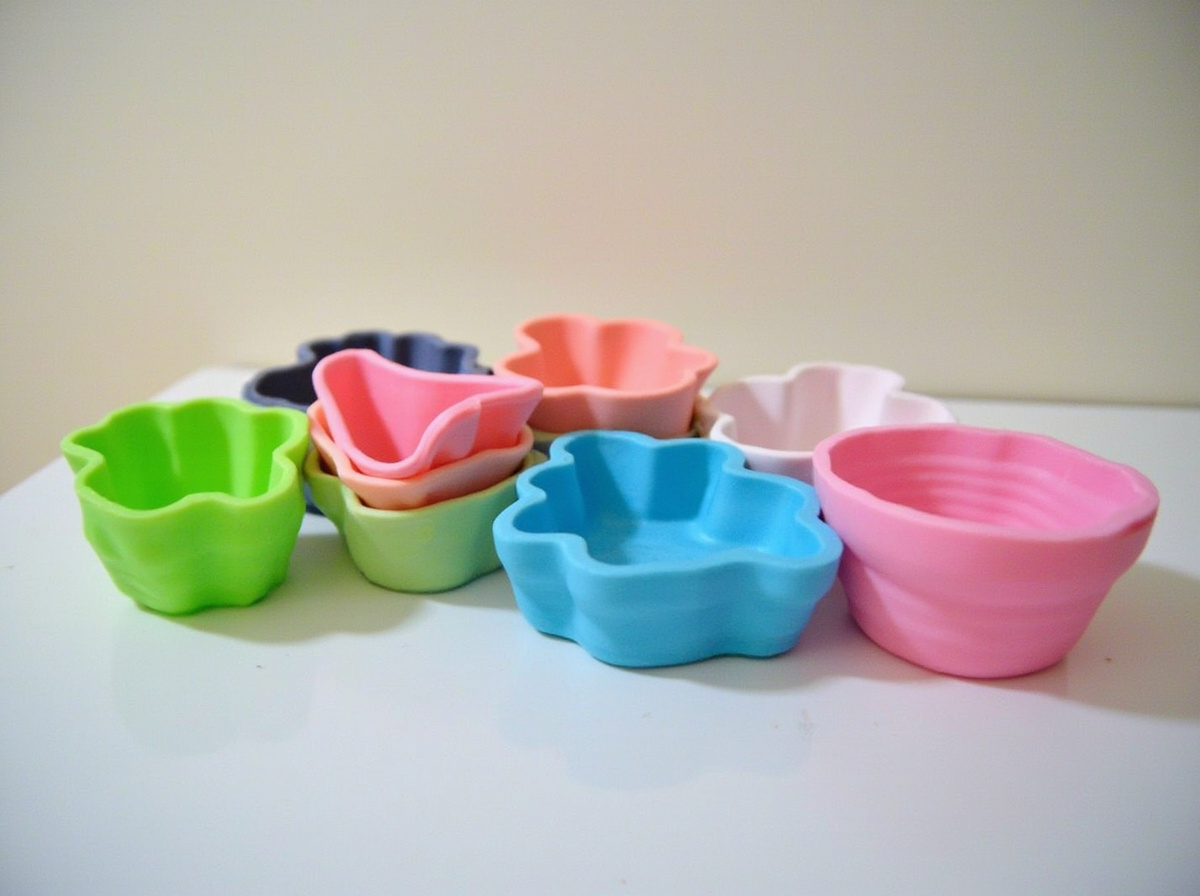
Toekomstige ontwikkelingen en trends
Advancements in silicone technology continue to expand application possibilities while addressing sustainability concerns. Emerging trends include improved processing efficiency, enhanced material properties through alloy development, and increased focus on recyclability and circular economy principles.
Conclusie
silicone represents a critical material category with diverse industrial applications spanning manufacturing, construction, electronics, and beyond. Understanding its fundamental properties, processing characteristics, and application-specific considerations enables engineers and procurement professionals to make informed material selection decisions that balance performance, cost, and sustainability requirements.
FAQ
How do you know whether Silicone Material: Properties, Types and Industrial Applications Guide fits a part?
Silicone Material: Properties, Types and Industrial Applications Guide fits a part when its load capacity, temperature range, moisture exposure, wear behavior, and processing method match the real service conditions.
What properties should be checked for Silicone Material: Properties, Types and Industrial Applications Guide?
Controleer de sterkte, stijfheid, slagvastheid, hittebestendigheid, vochtopname, maatvastheid, wrijving, slijtage en chemische compatibiliteit.
What is the biggest selection risk for Silicone Material: Properties, Types and Industrial Applications Guide?
Het grootste risico is dat men zich baseert op een waarde uit een datasheet zonder rekening te houden met de daadwerkelijke omgeving, de verwerkingsmethode, de geometrie van het onderdeel en het gebruik op lange termijn.
When should Silicone Material: Properties, Types and Industrial Applications Guide be tested before production?
Het wordt aanbevolen om het onderdeel te testen wanneer het wordt blootgesteld aan belasting, hitte, chemicaliën, vocht, strenge toleranties, wettelijke voorschriften of een nieuwe bedrijfsomgeving.

