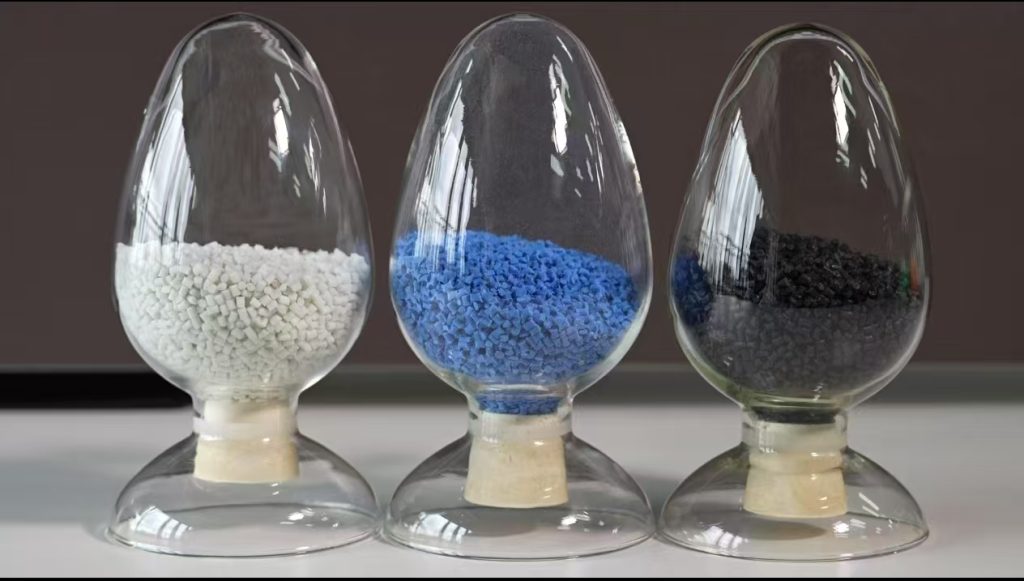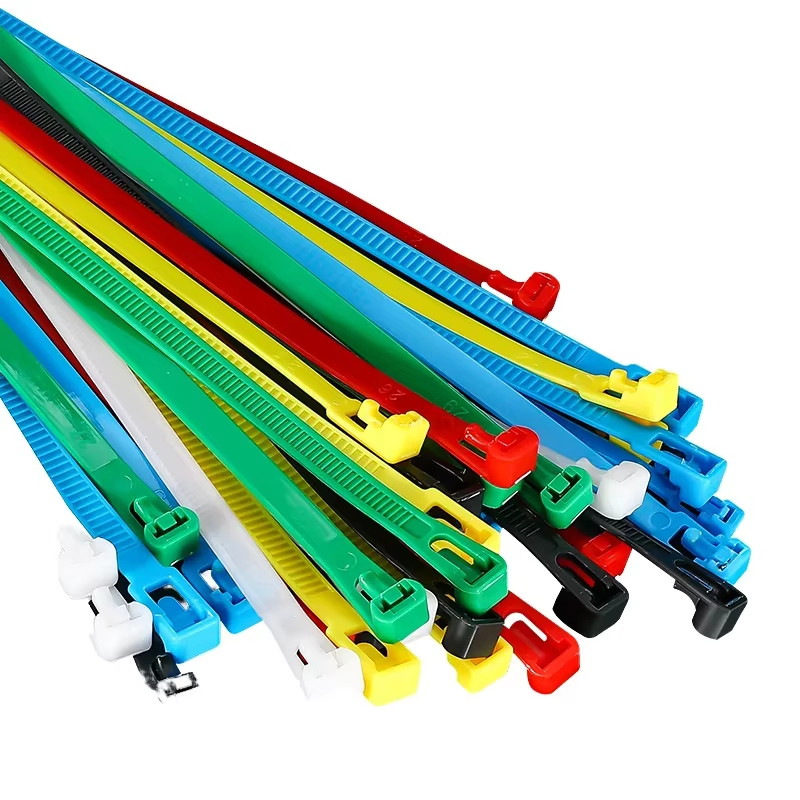
PA6, PA66 and PA12 solve different material problems. Start with the part’s load, temperature, moisture exposure and processing route. Compare commercial grades under the same test conditions before choosing a material or approving a replacement.
Inzicht in de nylonfamilie
Polyamide (nylon) materials differ in molecular structure, affecting properties and applications. Reinforcement, stabilization and conditioning can change the selection within each family.
| Materiaalfamilie | Reason to compare | Check before ordering |
|---|---|---|
| PA6 | General mechanical parts and a broad choice of modified grades | Conditioned stiffness, dimensional change and the intended process |
| PA66 | Applications where thermal performance is a selection priority | Exact grade, heat-aging requirements and loaded-part tests |
| PA12 | Applications sensitive to moisture-related dimensional change | Required stiffness, fluid compatibility and the available processing grade |
PA6 — Polyamide 6
- Smeltpunt: 220 °C
- Voordelen: Betere slagvastheid, lagere kosten, eenvoudigere verwerking
- Het meest geschikt voor: Algemene mechanische onderdelen, 3D-printen, consumentenproducten
PA66 — Polyamide 66
- Smeltpunt: 265 °C
- Voordelen: Hogere hittebestendigheid, superieure mechanische sterkte
- Het meest geschikt voor: Onderdelen voor automotoren, toepassingen bij hoge temperaturen
PA12 — Polyamide 12
- Smeltpunt: 180 °C
- Selection focus: Lower moisture uptake than short-chain PA6 and PA66; verify compatibility with the actual fluid and temperature
- Het meest geschikt voor: Brandstofleidingen, toepassingen buitenshuis, vochtgevoelige omgevingen
Keuzegids
Use thermal performance to narrow PA66 grades, evaluate PA6 against the cost and mechanical requirements, and compare PA12 when moisture exposure affects fit. None of these choices removes the need to qualify the exact grade and component.
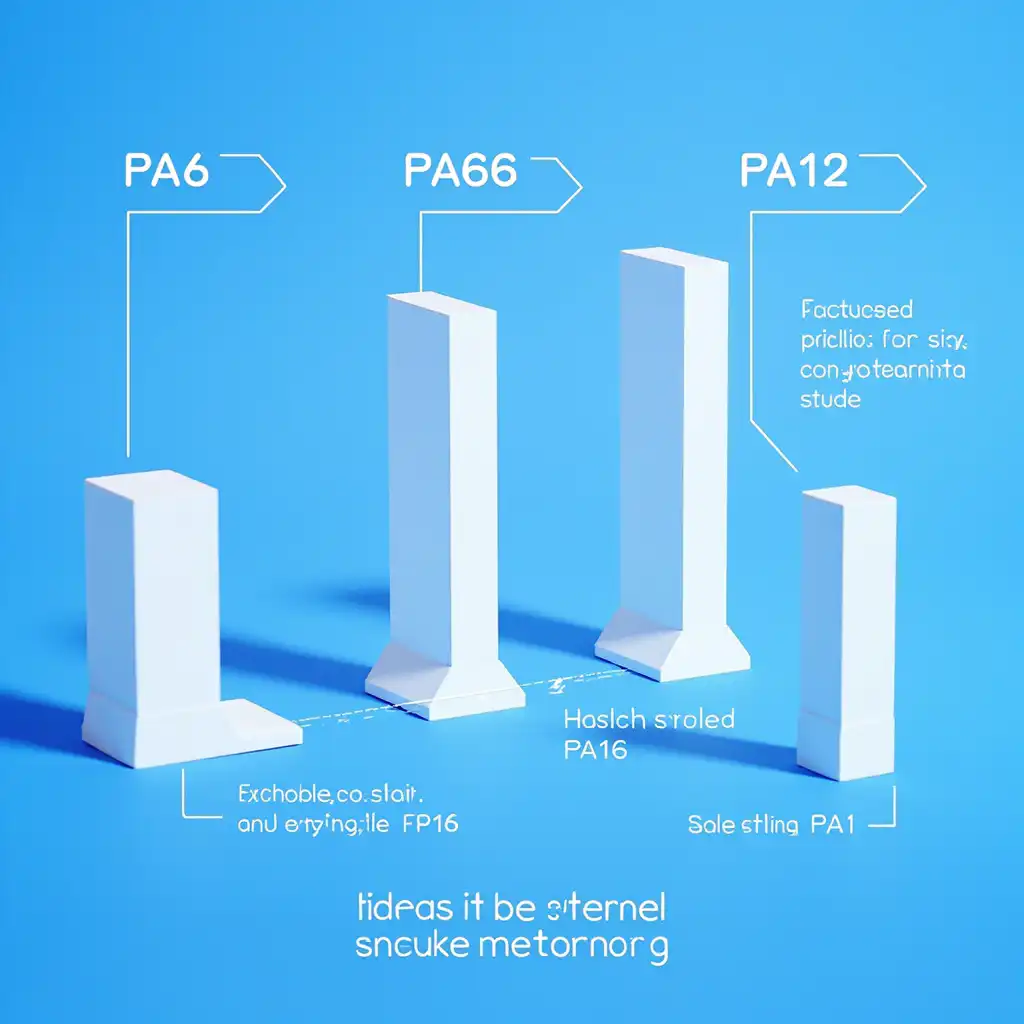
Keep service conditions and the proposed material grade together when reviewing a replacement.

For supporting manufacturer guidance, see Arkema’s long-chain polyamide property discussion en de EMS-GRIVORY PA12 overview. These describe material families, not approval of a Nylon Plastic grade.
FAQ
When is PA12 worth comparing with PA6 and PA66?
Compare PA12 when moisture-related dimensional change is a key concern. Then check stiffness, impact, fluid exposure and the available processing grades. The material family alone does not establish whether a particular component will pass its tests.
Can a glass-filled PA6 grade replace PA66 without changing the part?
Treat it as a material change. Review the exact grades, conditioning state, shrinkage, critical fits and service temperature; test representative molded parts before approving the substitution.
Can injection-molding pellet data be used for a printed nylon part?
Pellet and filament specifications describe different processing routes. For printed parts, request data for the actual process and build orientation, then confirm the relevant dimensions and loaded features on a sample.
What should I send for a nylon grade recommendation?
Send the current grade or target properties, drawing, operating temperature, fluids, moisture exposure, color and expected quantity. State any required flame rating or approval by its exact specification and revision.
Related Products and Inquiry
Existing PA6, PA66 and PA12 product ranges and the inquiry page:
- PA6 (Nylon 6) product range
- PA66 (Nylon 66) product range
- PA12 (Nylon 12) product range
- Neem contact op met