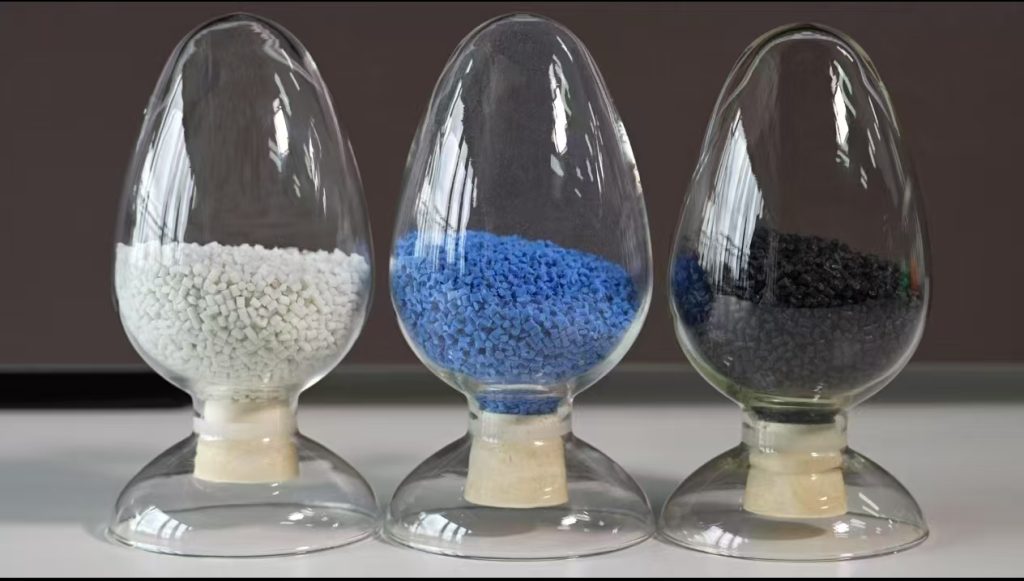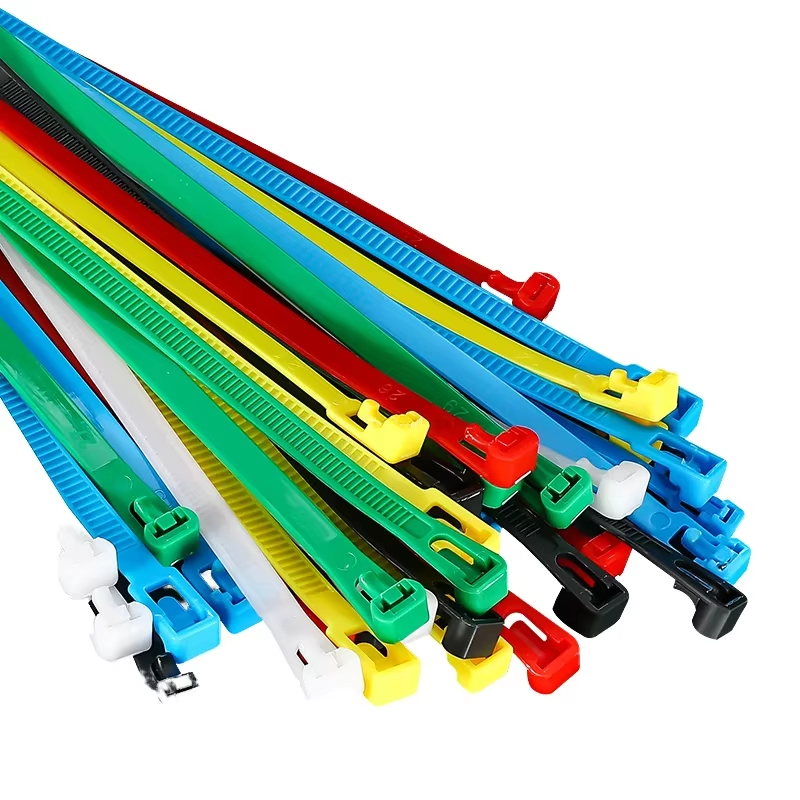
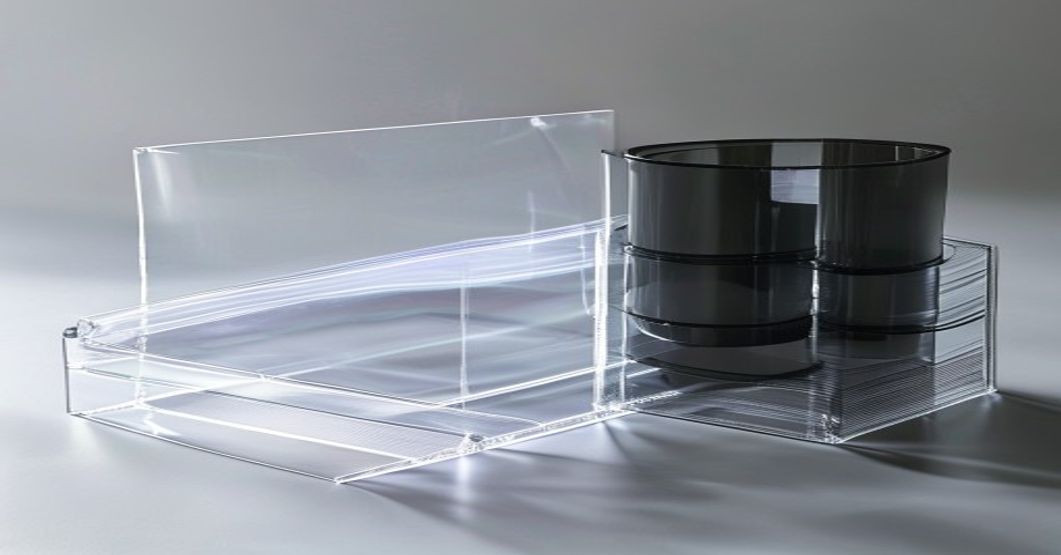
Nylon and polycarbonate are two of the most specified engineering thermoplastics. Both offer excellent mechanical properties, but their unique characteristics—impact resistance for polycarbonate, wear resistance for nylon—make each better suited for specific applications.
Voor engineering- en inkoopteams
Nylon or Polycarbonate for a Production Part?
Polycarbonate usually leads when impact strength, transparency or lower moisture uptake matters. Nylon is often preferred for wear, fatigue and tough mechanical components.
- Use polycarbonate for impact-focused housings and transparent parts
- Use nylon for wear surfaces, gears, clips and structural components
- Check chemical exposure, moisture and service temperature before release
Request a nylon vs polycarbonate review → View the engineering plastics selection guide
Mechanical Properties Compared
| Eigendom | Nylon (PA6) | Polycarbonaat (PC) |
|---|---|---|
| Treksterkte (MPa) | 70-85 | 55-75 |
| Flexural Modulus (GPa) | 2.5-3.0 | 2.2-2.4 |
| Izod-slagvastheid met inkeping (kJ/m²) | 5-15 | 60-80 |
| Dichtheid (g/cm³) | 1.14 | 1.20 |
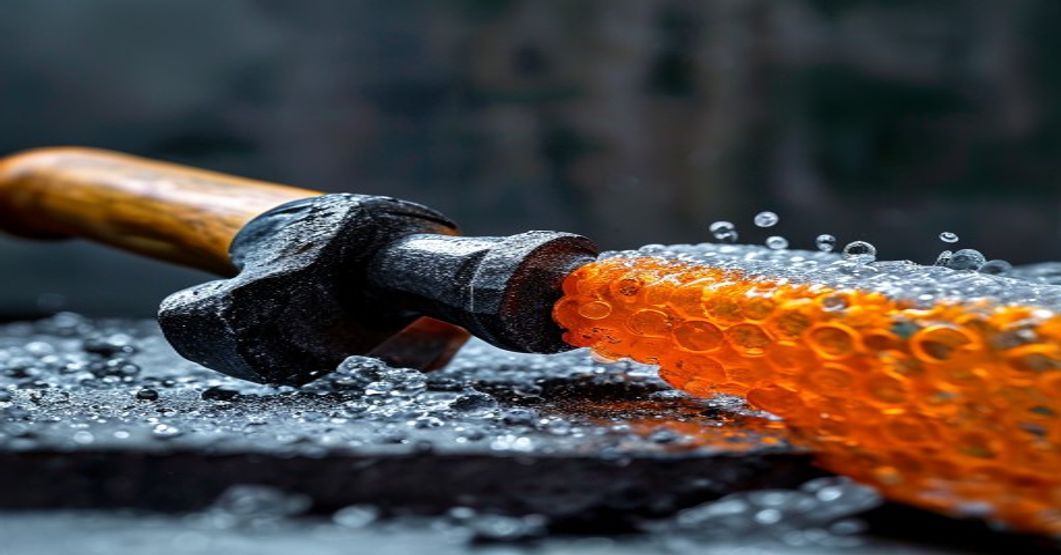
Impact Resistance: Polycarbonate’s Signature Strength
Polycarbonate is legendary for its impact resistance—it’s used in bulletproof glass and safety goggles. With notched Izod impact values of 60-80 kJ/m², PC is virtually unbreakable under normal use.
Thermal and Optical Properties
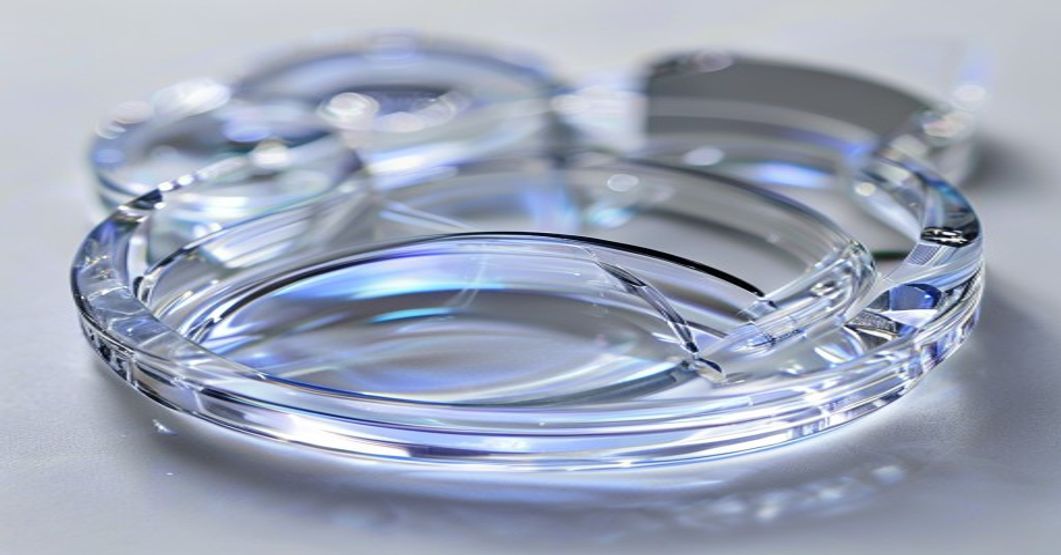
Polycarbonate is naturally transparent with light transmission of 88-90%. Nylon is naturally translucent to opaque.
Chemische weerstand
Nylon holds a distinct advantage here. Polycarbonate has poor chemical resistance—it’s attacked by hydrocarbons, ketones, and many cleaners. Nylon offers excellent resistance to oils, greases, fuels, and many organic solvents.
Moisture and Environmental Resistance
Polycarbonate absorbs negligible moisture (0.15-0.35%). Nylon’s moisture absorption (2.5-3.0%) can cause dimensional changes. However, PC is susceptible to UV degradation.
Gebruiksaanwijzing
Kies voor nylon wanneer:
- Chemical resistance to oils and fuels is needed
- Slijtvastheid is belangrijk
- Parts must survive dynamic loading
Choose Polycarbonate When:
- Optical clarity is required
- Exceptional impact resistance is critical
- Dimensional stability under varying humidity is needed
Onze mogelijkheden
Met meer dan 300 CNC machines, produceren we meer dan 10.000 stuks per dag met toleranties zo nauw als ±0,005mm. Wij accepteren MOQ vanaf 1 stuk, met levertijden variërend van 24 uur tot 15 dagen. We machine both nylon and polycarbonate. Ontvang binnen 24 uur een offerte.
For a polycarbonate vs nylon decision, compare impact, wear, heat, moisture, chemical exposure and the actual part geometry before approving a grade.
FAQ
Nylon vs Polycarbonate Properties Comparison
| Eigendom | Nylon (PA6/PA66) | Polycarbonaat (PC) | Winner Depends On |
|---|---|---|---|
| Treksterkte | 70 – 85 MPa (unfilled); 160 – 200 MPa (GF30) | 55 – 70 MPa | Nylon wins with GF; unfilled nylon vs PC is close |
| Schokbestendigheid | 5 – 8 kJ/m² (notched) | 25 – 35 kJ/m² (notched) | PC wins significantly — key for safety parts |
| HDT (1,8 MPa) | 65 – 85°C (unfilled); 245 – 255°C (GF30) | 125 – 135°C | Nylon GF wins on heat; unfilled nylon loses |
| Vochtopname (24 uur) | 1.2 – 1.5% (PA66) | 0.15 – 0.35% | PC wins — critical for dimensional stability |
| Chemische weerstand | Good to oils, fuels, hydrocarbons | Poor to many solvents, fuels | Nylon wins for chemical exposure |
| Dichtheid | 1.13 – 1.15 g/cm³ | 1.18 – 1.22 g/cm³ | Similar; nylon slightly lighter unfilled |
| Cost (relative) | $$ – $$$ (depending on grade) | $$$ – $$$$ | Nylon generally lower cost per kg |
| Transparantie | Opaque | Transparent or translucent | PC wins — only choice for see-through parts |
| Typische toepassing | Structural brackets, gears, automotive | Lenses, safety shields, electronics, medical | Application-specific; no universal winner |
Decision framework: Choose polycarbonate when impact safety, optical clarity, or tight dimensional tolerance in varying humidity is required. Choose nylon (especially GF grades) when heat resistance, chemical exposure, or structural load-bearing dominates the application. When both high impact and chemical resistance are needed, consider PC/ABS blends or PBT as alternatives.
How do you know whether Nylon vs Polycarbonate: Strength, Heat Resistance, and Cost Compared fits a part?
Nylon vs Polycarbonate: Strength, Heat Resistance, and Cost Compared fits a part when its load capacity, temperature range, moisture exposure, wear behavior, and processing method match the real service conditions.
What properties should be checked for Nylon vs Polycarbonate: Strength, Heat Resistance, and Cost Compared?
Controleer de sterkte, stijfheid, slagvastheid, hittebestendigheid, vochtopname, maatvastheid, wrijving, slijtage en chemische compatibiliteit.
What is the biggest selection risk for Nylon vs Polycarbonate: Strength, Heat Resistance, and Cost Compared?
Het grootste risico is dat men zich baseert op een waarde uit een datasheet zonder rekening te houden met de daadwerkelijke omgeving, de verwerkingsmethode, de geometrie van het onderdeel en het gebruik op lange termijn.
When should Nylon vs Polycarbonate: Strength, Heat Resistance, and Cost Compared be tested before production?
Het wordt aanbevolen om het onderdeel te testen wanneer het wordt blootgesteld aan belasting, hitte, chemicaliën, vocht, strenge toleranties, wettelijke voorschriften of een nieuwe bedrijfsomgeving.
Gerelateerde lezen
- Nylon chemische weerstand: Zuren, Basen, Oplosmiddelen en Meer
- Nylon chemische weerstand: Zuren, Basen, Oplosmiddelen en Meer
- Polyamide vs Nylon: Complete vergelijkingsgids
- Plastic Material Selection and Properties
In één oogopslag
| Beslissingsmoment | Nylon | Polycarbonaat | Opmerking voor de koper |
|---|---|---|---|
| Gevolgen | Tough and fatigue resistant | Very impact resistant | Choose by crack risk and duty cycle |
| Vocht | Neemt meer water op | More stable | Use PC when humidity swings are severe |
| Warmte | Grade dependent | Good heat resistance | Confirm service temperature, not just a datasheet peak |
| Optimale toepassing | Wear and structural parts | Transparent and impact parts | Match part function to the real environment |
Waarom kiezen voor nylon?
Nylon Plastic helps buyers compare nylon and polycarbonate when moisture, impact and part function have to be balanced for production.