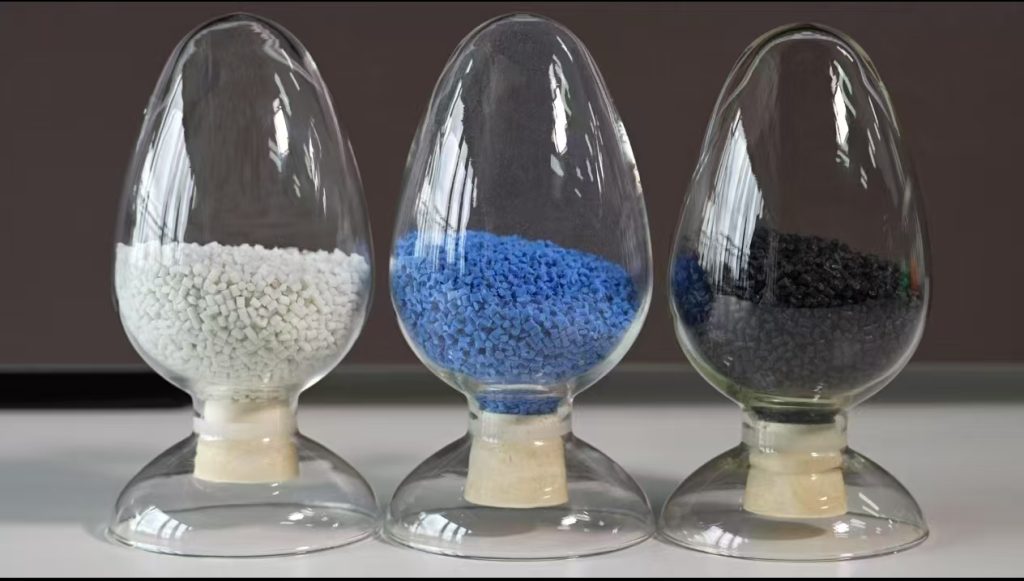
Nylon molding is not one process. Buyers usually mean injection molding, CNC machining or 3D printing, and the right choice depends on volume, tolerance, geometry and how stable the design already is.
If the part may also see moisture or chemicals, review the vochtopname door nylon gids en Tabel met chemische compatibiliteit van nylon voordat het proces wordt vergrendeld.
If the part is still changing, start with CNC or 3D printing. If the geometry is stable and the volume is real, move toward injection molding. Nylon Plastic can review the drawing, target environment and production plan before you lock the process.
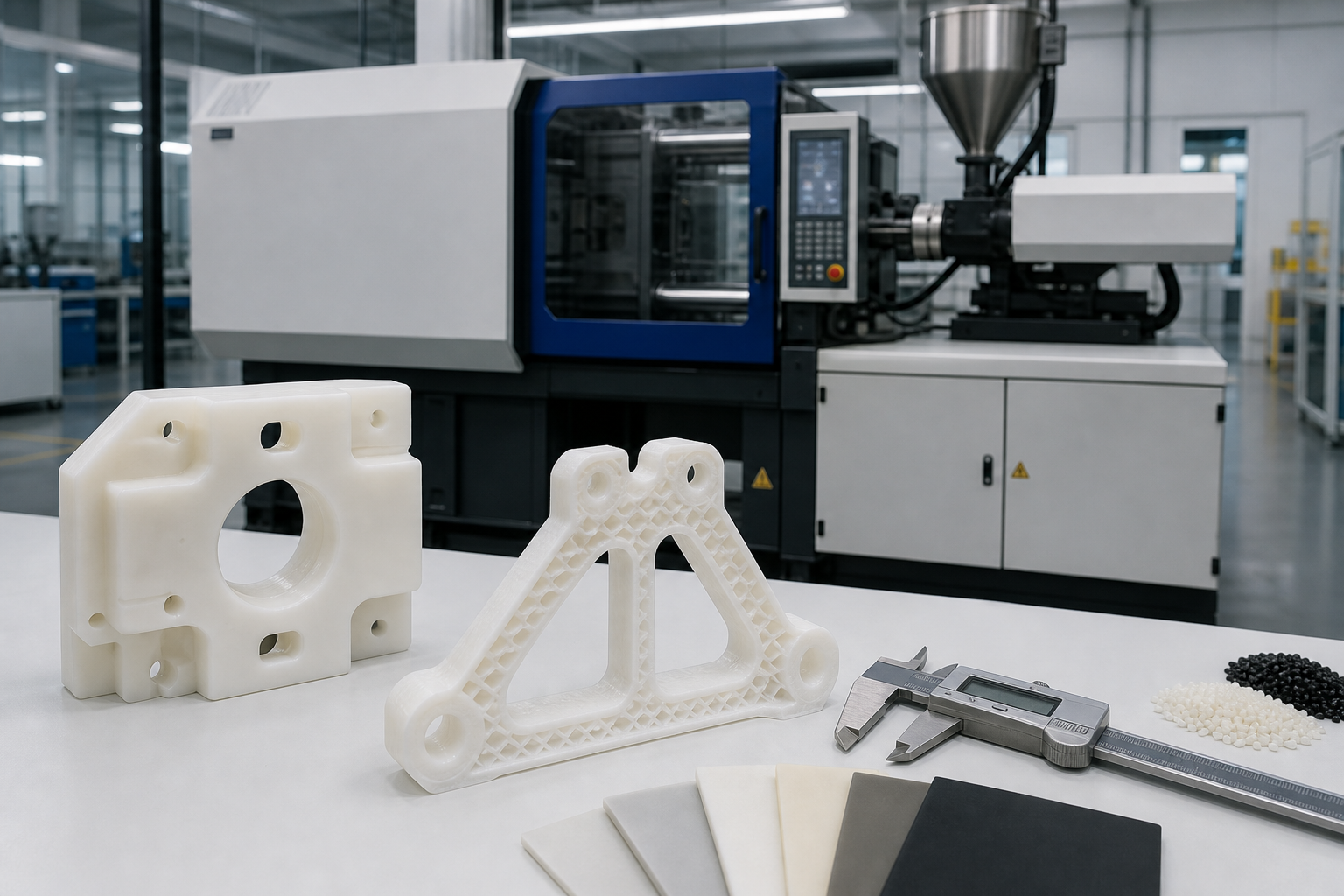
In één oogopslag
| Beslissingsgebied | Best Route | Koperscontrole |
|---|---|---|
| Low volume / changing design | CNC-bewerking | Confirm tolerance, edge finish and quantity |
| Complex prototype | 3D printen | Check support, wall thickness and material choice |
| Stable production demand | Spuitgieten | Review tooling cost, shrinkage and lead time |
| Wear or sliding part | PA6, PA66 or filled nylon | Match the grade to load and moisture |
| Fast quote package | Drawing + volume + use case | Send function first, not only geometry |
How to Choose the Right Nylon Molding Route
CNC machining is best when the design is still moving and you need accurate functional parts quickly. Injection molding is the better long-term route when the part is stable, the annual demand makes tooling worthwhile, and repeatability matters.
3D printing is useful when the geometry is difficult, the schedule is short, or you need a validation part before committing to tooling. For many nylon projects, the practical order is prototype first, production later.
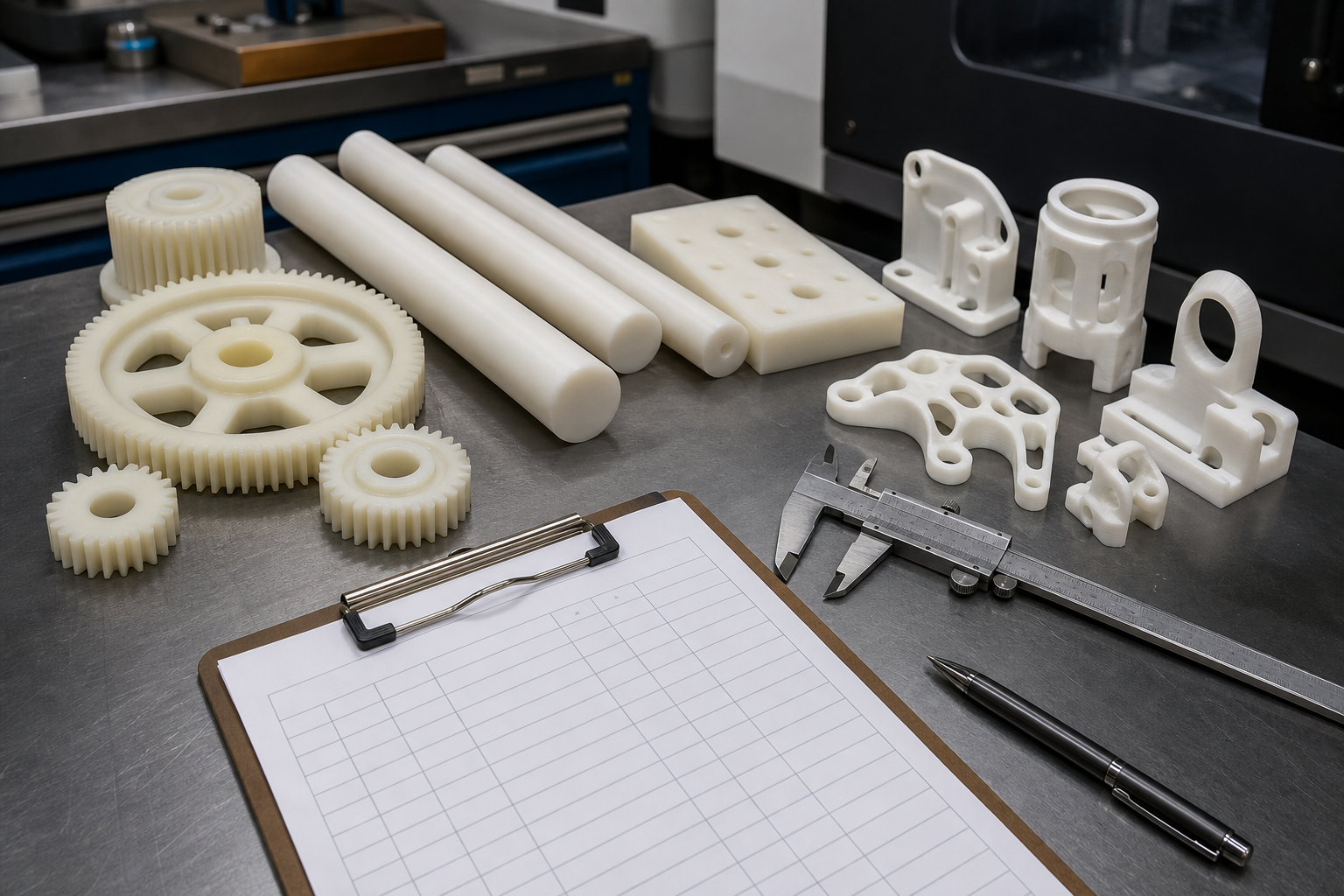
Selection Rules That Prevent Bad Quotes
Most quoting mistakes come from treating nylon like one generic material. PA6, PA66 and PA12 behave differently under heat, moisture and load. Filled grades change stiffness and shrinkage again, which affects both part design and tooling decisions.
- Use CNC when the drawing is not frozen or when you need a small functional run.
- Use 3D printing when speed and geometry matter more than finish and long-run economics.
- Use injection molding when the design is stable and the unit cost needs to come down.
- Use filled nylon when stiffness and creep control matter more than snap-fit flexibility.
Common Nylon Molding Problems and Fixes
| Probleem | Waarschijnlijke oorzaak | Praktische oplossing |
|---|---|---|
| Warped part | Uneven shrinkage or wrong process choice | Review wall balance, gate position and cooling |
| Tolerantieafwijking | Moisture and thermal movement | Define inspection state and use condition |
| Hoog bedrag | Proces dat vóór de functiebeoordeling is gekozen | Compare CNC, print and mold options first |
| Weak assembly fit | Wrong nylon grade or over-tight tolerance | Check load, humidity and post-processing |
Comparison of the Three Main Routes
Injection molding is the lowest unit cost only after tooling is justified. CNC machining is the safest route for design changes. 3D printing is the fastest route for geometry validation and short-run functional parts.
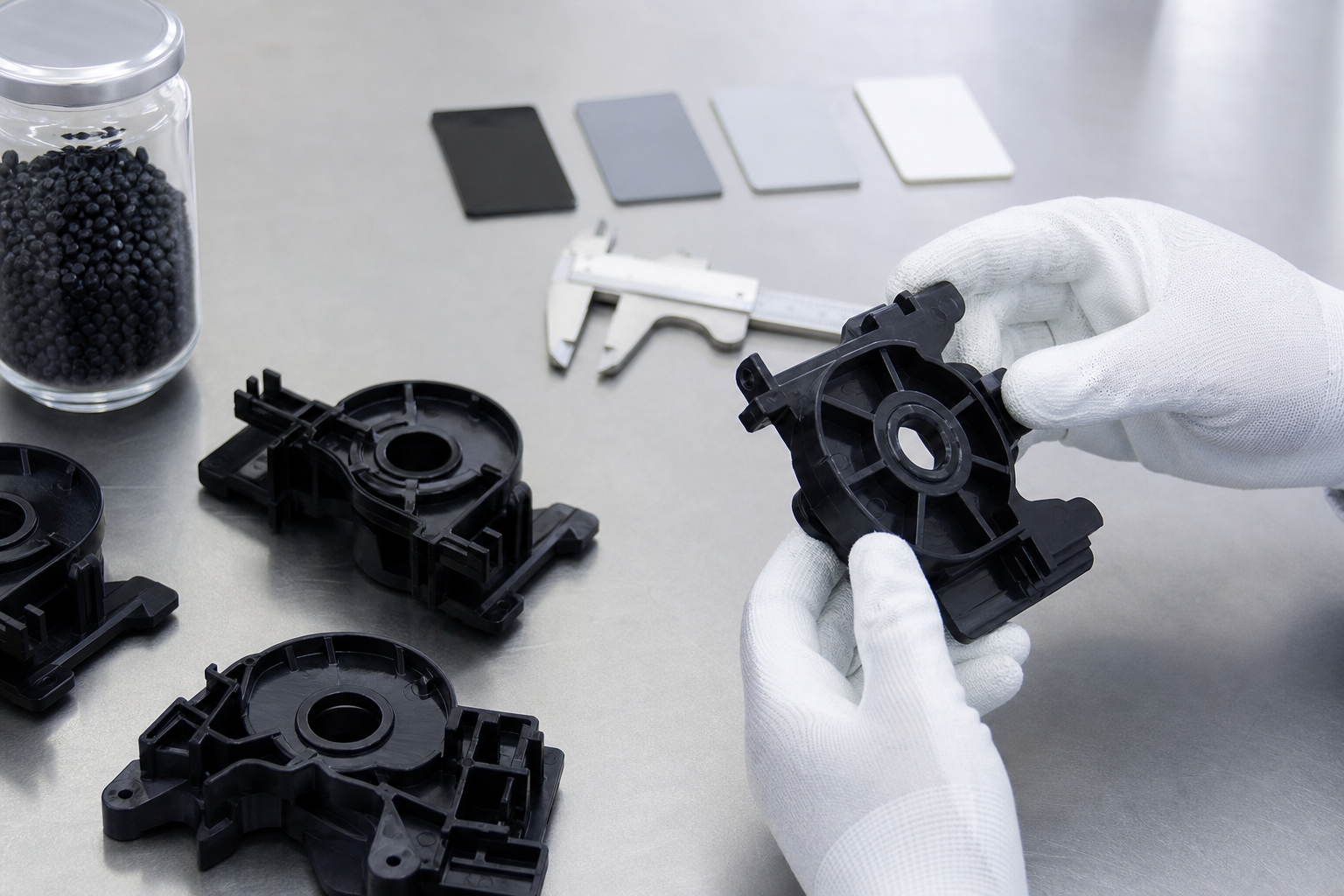
Waarom kiezen voor nylon?
Nylon Plastic helps buyers compare process routes before they spend on tooling or miss a tolerance target. That means fewer quote loops and less risk of locking the wrong manufacturing method too early.
Buyer Pain Points When the Process Is Chosen Too Early
- Injection molding is quoted before volume and design stability justify tooling.
- CNC is specified for complex geometry that needs excessive setups or material removal.
- 3D printing is used without defining build direction, inserts, finishing, or inspection state.
- The material is named only as nylon, with no PA family, reinforcement, moisture, or compliance requirement.
Hoe nylonplastic de evaluatie ondersteunt
Nylon Plastic has worked across material modification and finished plastic-part manufacturing since 2005. This allows buyers to connect the resin decision with material selection, prototype validation, CNC workholding, mold design, and production inspection rather than approving a grade from a family name or one dry data-sheet value.
- Compare unfilled PA, PA-GF20, and PA-CF30 against the actual failure mode.
- Review custom compounding when a standard grade misses stiffness, impact, color, wear, heat, or compliance requirements.
- Define TDS, COA, moisture, sample approval, traceability, and lot-release requirements before volume ordering.
Gerelateerde lezen
- Diensten op het gebied van spuitgieten van nylon
- CNC-bewerkingsdiensten voor nylon
- 3D-printservice voor nylon
Veelgestelde vragen
When should nylon parts use injection molding?
Use molding when the design is stable, volume supports tooling, and repeatable unit production is more important than tool-free changes.
When is CNC machining the better route?
Use CNC for low volume, stock-form materials, critical machined features, or prototypes that need production-grade material without a mold.
When is nylon 3D printing suitable?
Use printing for complex geometry, rapid iteration, jigs, fixtures, and low-volume parts when the process-specific property and tolerance limits are acceptable.
What should a process-selection RFQ include?
Send the CAD model, drawing, current material, quantity by phase, critical tolerances, load, environment, finish, inserts, inspection, and target timing.
Request a Nylon Manufacturing Route Review
Send the drawing, current material, prototype quantity, annual volume, and critical requirements to compare 3D printing, CNC machining, and injection molding.